When it comes to picking a new place to move to, there are a lot of factors that come into play. One’s lifestyle, the local social scene, school systems, and more can all contribute to their final decision. New Yorkers are increasingly choosing to move out of state. More specifically, they are starting to move to Greenwich, CT. The Town of Greenwich is ranked as one of the best places to move in Connecticut, and Connecticut is consistently considered one of the country’s best states to live in.
Whether you are considering moving out of NYC in favor of the suburbs or relocating from somewhere else, we highly recommend Greenwich as a prominent place to consider as one of the great places to live in Fairfield County and the Northeast. We will help with local moving or long-distance moving.
1. All Four Seasons.
Like most other cities in the tri-state, you get to enjoy a sample of all four seasons in all their glory. Fall, in particular, is beautiful in Connecticut simply because you get to see all the beautiful trees change color.
People come from around the world to visit Greenwich during its peak foliage. However, one can enjoy every season when choosing to move to Greenwich.
2. Taxes are Lower Than in New York City.
If you are worried about paying an arm and a leg in taxes, you might want to move out of NYC. The truth is that Connecticut has higher state taxes, but the city taxes are next to nothing.
Regarding Greenwich specifically, the property taxes are low, and compared to New York’s property tax, Greenwich is the clear winner. While not Greenwich-specific, this topic has become more critical for everyone after the post-tax reform legislation was passed in late 2017.
Believe it or not, before 1991, Connecticut didn’t have a state income tax, and many such people chose to live in areas like Greenwich to avoid higher taxes in neighboring states. In the summer of 1991, Connecticut became the 41st state to levy an income tax on its residents. Therefore, that income tax now maxes out at 6.99%.
Connecticut’s maximum state income tax rate is the lowest in the Tri-State area compared to New York and New Jersey. New Jersey’s highest marginal state income tax is 8.97%, and New York’s is 8.82% (not including New York City’s additional income tax, which maxes out at 3.876%).
Connecticut’s real estate taxes are relatively lower than those in other areas of the Tri-State.
For example, Westchester County in New York and some of the more affluent New Jersey suburban counties are notoriously high.
For all states, this becomes a more critical deal post-recent tax reform as the deductibility of property taxes is more restricted under state and local tax (SALT) limitations.
3. The School Systems are Great if you Move To Greenwich
School systems matter. In Greenwich, you can rest assured that you will see your kids thrive. The city’s schools are some of the best (and safest) in the nation regarding areas of this size. You can choose from public schools, private schools, and religious schools.
When your kids go to college, you get an extra perk. This highly educated state is known for having some of the best colleges in America! Greenwich is home to some of the best public schools in the state and some of the country’s most prestigious private schools.
Greenwich Public Schools, including elementary and secondary schools, was recently ranked as the 14th best school district in the state. The High School was ranked 7th among public high schools in Connecticut. As for private schools, some of the more popular and distinguished are the Greenwich Country Day School, the Brunswick School, the Greenwich Academy, and Sacred Heart.
4. Move To Greenwich? You Can Still Commute to New York City in a Pinch.
The public transit system in Greenwich makes it easy to return to New York any time you need to. Some express trains that run through the city make it possible to get to Grand Central Station quickly and efficiently in 40 minutes. If you choose a less expensive route, you can still get to New York within an hour and a half.
Many New Yorkers leave the city and move to Greenwich while they keep their jobs. It’s just a better area to live in.
5. You Won’t Have to Worry about Fine Dining Here!
Greenwich is home to some of the best restaurants outside of New York City and offers many excellent fine-dining options. Town favorites include Thomas Henkelmann’s Homestead Inn Restaurant, Rebecca’s, Polpo, L’escale, Gabrielle’s Italian Steakhouse, Valbella, Le Penguin, Mediterraneo, Le Fat Poodle, and Terra. Even the most discerning palates will be impressed by these offerings.
If you want more casual choices, there are plenty of relaxed and family-friendly restaurants across Greenwich’s 67.2 square miles.
6. Entertainment is also a Major Attraction.
Between having an entire portion of the city acting as a park, the many boating clubs, and the excellent nightlife amenities, it’s easy to see why people love living in Greenwich. This is the city where you can jog on a scenic trail in the morning and then hit up a wine bar at night.
If you have kids, you have plenty of ways to keep them entertained.
7. Greenwich Avenue Shopping
Many New Yorkers fear that they will also go behind their beloved shops when they leave the city. However, that is not the case when one moves to Greenwich.
If you thought moving to the suburbs would sacrifice your shopping choices, you’d be mistaken if you relocated to Greenwich. The main shopping center, referred to by locals as “the Avenue” or Greenwich Avenue, has pretty much everything you would expect from a central metropolitan area.
Greenwich’s favorite spots are Lululemon, J Crew, Restoration Hardware, Saks Fifth Avenue, Hermes, Zara, Vineyard Vines, Intermix, Tiffany & Co., Theory, Orvis, Tumi, and Baccarat (to name a few). Meanwhile, should you need more, you are close to the Westchester and Stamford shopping malls.
8. Crime Rates are Low
Whether you are a parent, an individual, or a couple who wants to find a new place to call home, one thing will always ring true. No one wants to live in an area where they do not feel safe, and safety should be a priority when searching for a new place to live.
Greenwich, CT, is one of the safest cities in the United States. Many people note that it’s the kind of city that lets you feel the safety of small-town living without forcing you to let go of city amenities. That’s a fantastic thing to say.
9. You Get More Bang for your Buck.
Some studio apartments in New York City cost as much as $7,000 or more. When you look at how much more space you get by moving to Greenwich, it’s easy to see why people tired of cramps choose to move to this town. Are you ready for a change of pace? Give our brokerage a call.
Want to learn more about moving to Greenwich?
Don’t hesitate to contact our team to learn more about how you can save up to 2% of your purchase price when buying a home in Greenwich with a local NestApple real estate expert. We will help you have a stress-free moving process and recommend storage facilities, packing services, and moving services with good customer service. We will also help with moving and storage on the move day.
When you said “till death do us part,” you both did mean it. Unfortunately, that never seems to be the case for around half of all marriages in America. Even if you wanted to try to make it work, divorce sometimes happens to the best of us. When it does, the family home doesn’t always stay with one party or another. Can you sell the property during a divorce? Sometimes, you will have to sell off the old home and split the proceeds. Selling a house is painful enough. But things get rougher when you sell a condo or a co-op. You must know a lot more when trying to sell during a divorce. After all, it’s not just “your” home. Marketing during a divorce can be tricky! How do you sell your house during a divorce?
Do I Have To Tell Potential Buyers That I Live With An HOA?
When it comes to condos and co-ops, it’s a given that you will have a Homeowners’ Association in charge of maintaining your area. This is especially true if you are living in New York City.
However, that doesn’t mean you can ignore the fact that you’re in an HOA. You have to note that you have an HOA, ideally in writing.
1. How Should I Tell Buyers About The HOA?
Both condos and co-ops have documentation and by-laws that new buyers need to know before moving in. This includes a run-through of owner fees. You will need to give your real estate agent the number to the HOA office to collect the documents and give them to buyers.
You are in the middle of a divorce, so you need to realize that you can’t always trust your ex to help in this process.
2. What Should You Do If Your Soon-To-Be-Ex Is Making It Hard For You To Sell The Home During A Divorce?
Many people will do whatever it takes to make their exes suffer or delay divorce finalization. This includes delaying the sale of a home by making it hard to do walkthroughs or even refusing to aid real estate agents.
How do you sell your house during a divorce under these conditions? You must consult your divorce attorney if your soon-to-be-ex is doing this. You need to bring your suitable real estate agent into the loop.
3. The Ex Marks the Spot
Co-op boards must understand the risk they face if they erroneously transfer shares. The wronged spouse could sue the board for half the value of the apartment. In a case two years ago, the ex-husband of a shareholder in a luxury Upper East Side co-op threatened to sue the board.
His wife showed the apartment to potential buyers without his approval, according to Elliot Meisel, a partner in the law firm Brill & Meisel. He eventually withdrew his threat.
To protect itself from legal risks, a co-op board should have its lawyers review the transfer documents rather than a property manager. All parties involved should have legal counsel and be present at the closing, even if the various matrimonial attorneys need to help to keep the spouses apart.
Condo boards, however, are spared this complication, as a condominium sale is more like a private home sale. A title insurance company, not the board, vets the transfer of title.
Do I Have to Alert the HOA I Want to Sell During a Divorce?
It depends on the type of housing that you currently live in. Most of the time, you do not have to explain to the HOA why you are selling. If you have a condo, it may be legal to require disclosure. However, you may still want to do that to ensure you have all the documents potential buyers wish.
Co-ops can be a little different. Depending on the co-op rules, you may need to sell your piece back to the co-op so that all current residents get a share of the profits. On the other hand, others may allow you to make a standard sale where the rest of the home’s increase becomes your profit. Due to this little fact, you should tell the co-op you’re selling.
Can HOAs Refuse A Sale Offer You Get During A Divorce?
While you may be in a rush to get the condo or co-op sold, there can be stumbling blocks in your way. One of those is that you may not be allowed to sell your home to specific buyers, especially not real estate developers, during a divorce.
If you own a co-op, you might have the board reject an offer on your behalf simply because they feel a better buyer could come along. Time can be an issue, and if you are desperate for a quick sale, it may be an intelligent move to explain the situation about your sale.
If domestic violence is a crucial reason for the divorce, talk to your attorney and notify the HOA. There may be specific resources and rights at your disposal.
Can You Make A Short Sale On A Condo Or Co-Op During A Divorce?
Can I sell my house during a divorce via a short sale? You may hear about short sales being made to further the divorce process once in a blue moon. However, condos and co-ops don’t usually allow this.
Your best option is to ask the HOA what they will allow and discuss the matter. This may require some legal string-pulling to push through.
Selling During A Divorce: What Can You Do To Rush The Process?
Can you sell your house during a divorce? You should talk to a real estate agent who can develop a strategy to make your sale work quickly. When in doubt, choose an experienced brokerage with extensive experience with people who have dealt with divorce.
Give your divorce attorney a heads-up about what you want to do. You should have nothing to worry about between an excellent real estate agent and a good lawyer.
Rearing Its Ugly Head
Divorces are messy, and sometimes, the ends don’t get neatly tied together. If a separating couple doesn’t finalize all the terms of their divorce, perhaps in an attempt to save money or because they never reached any agreement, the apartment they once shared might still be considered a shared asset.
And depending on their ownership agreement, particularly with co-ops, an absent spouse might have rights to the apartment years later. Or, if the spouse dies, her estate might still have a right to it.
In the end, boards should always have an attorney review a divorce case, even if it happened years earlier. That ex-spouse rears his ugly head and shows that the board missed something, and then you’re left out in the cold.
When trying to buy a home, you must assemble a comprehensive package that serves as a purchase offer. It’s a hefty bit of paperwork, but in most cases, buyers don’t deliver the package to the seller. Or rather, you don’t directly give it to people. So, who brings that packet to the seller? If you have a real estate buyer’s agent, then the agent remains responsible for delivering the offer to the seller’s agent. If you don’t have a buyer’s agent, you must drop it off directly to the seller or agent. You can send offers via email or through direct hand-to-hand drop-off.
Whose Responsibility Is it to deliver a Buyer’s Offer?
The Responsibility for delivering an offer rests squarely on the buyer’s party. Who pays your request to the seller depends on whether you and the seller have real estate agents representing your interests. If the seller has an agent, your offer gets delivered to the seller’s agent. If the seller does not have an agent, your agent delivers your offer to the seller.
However, who explicitly needs to deliver it can change. It all hinges on whether you hire a buyer agent. If you have a buyer’s agent, it’s up to them to ensure the proposal is delivered. Otherwise, you must provide your own offer.
1. Who Receives The Real Estate Purchase Offer?
Once again, this hinges on whether or not the seller has hired a real estate agent to help them sell the house.
If they didn’t, they received the offer directly. If they hire a real estate agent, the request is handed to the agent, who then reviews the offer with the seller.
If no agents are involved in the real estate sale process, the buyer prepares their own offer and presents it directly to the seller. However, this is exceedingly unwise and inadvisable for all parties involved.
2. What Happens If A Single Agent Represents The Buyer And Seller?
If this is the case, the agent will assist the buyer in creating an offer. Once the offer is complete, they’ll send it directly to the seller for review. If you don’t have a buyer’s agent, you can submit your offer directly to the listing agent, who can represent both you and the seller under a dual agency arrangement.
3. How Does Your Agent deliver an Offer letter to the seller?
In most other transactions, you can make a verbal offer. However, in real estate, that’s not the case. A real estate offer must be in writing, involving much more than verbally settling a price. Your offer will outline how you envision the entire buying process unfolding.
There are two primary ways the selling party gets offers on the house. Traditionally, the best way to do it is to hand it directly to the seller (or the seller’s agent). However, it’s not unusual for people to send buying offers via email. Generally speaking, it’s best to have a backup and a second physical copy before handing it over to a seller.
This way, you both can reference it at the same time. It’s also suitable for security purposes.
4. What’s In A Buyer Offer?
The Offer Price
Commissions
Payment Arrangements
Contingencies
Additional Notes
Earnest money deposit
Closing date
Home inspection
Do you need to sell your home
Generally speaking, you should expect one of three things to happen:
1. Offer Accepted!
Yay, you get to go forward on the terms you suggested. You are now locked into a deal, and you can expect to plan out your move. This is the best possible outcome you can achieve after sending out an offer in most situations.
2. A Counter offer
Sometimes, sellers may make a counteroffer with minor changes to your offer. You can accept, decline, or create a counteroffer. The counteroffer usually indicates that you still have a good chance of getting the house.
3. Offer Declined!
If they choose another offer or don’t want to consider your offer, they’ll decline it. At this point, you may be able to start another offer, but the home may not even be on the market yet. Most realtors will not advise you to try a second offer if this happens.
We never recommend sending a low-ball offer: it often backfires.
While selling agents can advise clients not to accept an offer, they do not have the right to reject an offer before the seller sees it. Even if the offer is ludicrously low, it’s not their right to do so. A seller’s agent has to show every single offer, even if the offer suggests a buying price of three potatoes and a dollar.
1. What Should You Do If You Have Reason To Believe Your Agent (Or The Seller’s Agent) Didn’t Show The Offer?
The first thing you should do is speak with your agent and inform them of the situation. If possible, explain why you believe that this is the case. Technically, this could be a significant breach of contract and grounds for a lawsuit. Your agent can help determine the next course of action.
If at all possible, try to ask the seller if they have seen your offer directly. The seller may want to speak with your agent if they haven’t already. This is when one agent may have to lead a lawsuit against another.
2. How Long Does It Take To Get A Response From The Seller?
Response times can vary to location, but getting a flood of offers on a single condo or co-op in New York is common. In New York, a response to an offer can take anywhere from one day to one week.
This entire process can sometimes take several days, and there may be a several-week wait period. This is more common in areas where homes are in high demand. It’s the seller’s way of ensuring they get the best possible offer among multiple offers.
However, there’s no set time when you will hear an offer. If you’re ever concerned about this, ask your agent for guidance on the next steps.
3. Is A Seller Required To Respond To An Offer?
Most of the time, you can expect a home seller to reach out to you one way or another, and it’s a common courtesy. While it would be wonderful to hear from a seller every time you make an offer, the truth is slightly less than ideal.
There are no laws nationwide that require sellers to respond to every offer. If sellers don’t want to answer, they don’t have to. Unfortunately, this can make the buying process difficult.
What Happens After Making An Offer?
Once the offer reaches the seller’s agent, the “Waiting Game” begins. This means that home buyers must wait while the seller considers each option. Once sellers have reviewed the offers they received, they will decide who gets the home.
How Common Is It For An Agent To Refuse To Show An Offer?
It’s uncommon because it would cause a significant scandal in most firms. However, it doesn’t mean that it doesn’t happen. In fact, at NestApple, we’ve seen it happen with an agent who declined to show an offer from our brokerage, and the result was not good.
Choosing a real estate broker you trust makes a great deal of sense. Give us a call today.
Can You Back Out After Delivering Your Offer?
Yes, you can withdraw an offer before signing a formal purchase contract. In most states, such as New York, real estate offers aren’t binding until the buyer and seller execute a binding agreement.
However, it would help if you were careful about signing any offer submission form given to you by the listing agent. If you sign an offer to purchase form or any other customized offer submission form, you can be vulnerable to a lawsuit if you back out of an accepted offer.
While this is rare, we have seen instances such as McCarthy vs. Tobin in Massachusetts, where a judge ruled that
An accepted offer was binding because both the seller and the buyer signed an offer to purchase form that contained common contract language.
Furthermore, the buyer signed a purchase contract and delivered it to the seller’s broker as a check for earnest money. Even though the seller didn’t countersign the contract and accepted another bidder’s offer, the judge ruled that the accepted offer was indeed binding.
Generally, be careful about signing anything, especially if it contains contract-like language. You’re just putting yourself needlessly into a situation where somebody can sue you. Don’t do it, especially if you are bidding on property in a market like NYC, where buyers email offers and don’t have to sign anything.
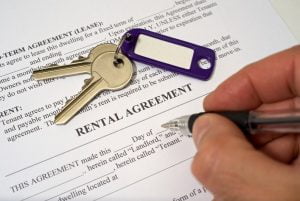
One of the most common issues that New York condo owners face is whether they should rent out their property. Whether using an Airbnb or renting out your entire condo for a yearly lease doesn’t matter; it will still be a significant move. The truth is, renting a condo isn’t something to be taken lightly. What you get out of renting depends on what you put into it. Contrary to popular belief, renting a condo can quickly turn your life upside-down if you’re not doing it smartly.
It can be a great source of income if done correctly. Before considering a “for rent” ad, ask yourself if you have considered the following issues…
1. Does your HOA allow you to rent your condo?
Before considering renting your condo, you must check your HOA’s rulebook. Many New Yorkers make the mistake of thinking that their HOA will be okay with it, only to discover that they were wrong.
If they don’t allow it, you may be forced to evict the renter, pay fees, and deal with significant levies against your property.
If your HOA allows it, find out about their exact policies. There may be protocols for renting a condo.
Technically, condo associations can’t evict you as a homeowner. However, they will make a point of making your life hell. It’s often not worth getting caught, even if you think it can skate under the radar.
2. How are you going to vet your renters?
Renters can be respectful to your properties but also be a nightmare. If you pick the wrong renter, you may have an uphill battle removing them from your home. Worse, they may cause severe damage to your home! At the very least, you should ask for references, proof of income, and a credit check.
Vetting remains one of the most significant issues new landlords face. It’s expensive to do through traditional means, but it’s the only way to help reduce the risk of having a bad renter.
3. How long do you want to rent your condo, and do you want to rent the entire condo?
Realizing that the rental terms can also make a considerable difference is essential. Like on Airbnb, many people find it easier and safer to rent out their condos for short-term stays.
This reduces the chances of forcibly evicting someone and the need to deal with legal disputes.
This gives many landlords or condo owners a little peace of mind. After all, they can immediately shut down a party their renter holds without permission if they live there, too.
We all hope for a great renter; in most cases, we’ll get one. However, not all renters will do well.
Some will be downright awful, and the owner will deal with eviction. Sometimes, it may even result in a lawsuit, and it’s not something someone who already works 60 hours a week is willing to handle.
This is always a risk if you rent your condo to someone. Even if you think you know the person, you don’t. Are you willing to take that risk? More importantly, are you financially capable of handling a lawsuit or an eviction?
Are you ready to deal with the damage done to your home by a disgruntled renter?
5. How will you handle repair requests?
Landlords are expected to handle repairs and ensure that they rent out a livable property.
Therefore, repairs can be needed at any time of day, and some can’t wait. Before you rent, ask yourself how you will handle this and what you need to do. It may shock you to discover how much of a burden this can be.
Therefore, contact a NestApple broker to find your options or help find your first renter. We are here to help you determine your best course of action.e
Buying an apartment—any apartment—in New York City can be daunting. Even if your apartment is in a complex with friendly neighbors, it can be rough. It gets even more intimidating when you want to buy an apartment in a mixed-use building.
Do you need to consider any factors when buying a mixed-use building? The truth is that it might be more of a hassle than you’d expect it to be.
What Is A Mixed-Use Building?
New York City’s mixed-use buildings are officially zoned for commercial and residential purposes, usually in one of two ways.
Either the building is new construction built with mixed goals in mind, or it’s an older building originally intended for commercial use that later became mixed-use after remodeling.
Are Mixed-Use Buildings Common?
They are becoming increasingly common, but buying a mixed-use building can be a little problematic. Many buildings that are mixed-use in practice aren’t mixed-use on paper. This type of fraud has sometimes led to severe issues for buyers and sellers.
This means that there have been several cases where apartment buyers bought an “apartment” in a building they believed was mixed-use, only to discover their new “home” was in a commercial-only building. To avoid this, have your real estate agent double-check if it’s a mixed-use building.
What Can You Use A Mixed-Use Building For?
You can use them for either business or residential purposes, making them ideal for people who want to live and work in the same place. However, it’s not for everyone.
You need to know the perks and pitfalls of buying a home in a building like this.
Unequal Split for Common Charges
The most common trick shady developers play is to retain the commercial unit for themselves or sell it to a related party. They’ll then write the offering plan to give the commercial unit owner special rights and few responsibilities.
One of the original developer’s most common tricks is to specify limits on what common charges the commercial unit will be liable for in the original offering plan.
Separate Utility Meters
One danger of buying an apartment in a mixed-use building is that the commercial unit owner may use more than their fair share of shared utilities, such as water or gas.
For example, what if the commercial unit is leased to an ice cream store that uses water? If there isn’t a separate water meter for the commercial unit, the residential unit owners might subsidize the commercial unit owner’s extremely high water bill.
The Perks Of Buying An Apartment In A Mixed-Use Building
Mixed-use buildings are hot on the real estate market in New York City, and it’s easy to see why. Their perks make them excellent buys for the right person.
Businesses aren’t likely to be there at night, so you might get more privacy. Because of that, these buildings are also less prone to noise complaints at night.
Since businesses are pretty on top of things, they act as a good “neighborhood watch.” This can prevent the wrong crowd from moving in. Besides, who doesn’t like having a lot of professionals nearby?
Funding from FHA loans and Fannie Mae is possible for a mixed-use building in NYC. However, the details can be pretty hard to grasp. To get an apartment via a loan, at least 51 percent of the property must be residential.
These apartments are often more affordable than all residential buildings. If you’re looking to stretch your dollar, this will be a great way to do it, and you might even be able to get more space.
The Pitfalls Of Buying An Apartment In A Mixed-Use Building
While mixed-use buildings are significant for some, some pitfalls are too big to ignore. Thankfully, this isn’t always the case with every building under this label. To ensure you get the best home for your budget, avoid these major pitfalls below.
There is a chance the “mixed-use” isn’t mixed. This is rare, but renters and buyers have been ushered from their homes after discovering they can’t live there. Doing your due diligence here is a must!
You will not have peaceful nights if you have nightclubs as neighbors. Though (once again) rare, it has happened before. Worse, you can’t call the police for a noise complaint as the nightclub owners often own entire buildings, which has caused litigation.
Restaurants that share your building can put you at an increased risk for pests. Cockroaches and rodents are two of the most notorious ones. However, it can also lead to other foul issues, such as the smell of cooking wafting in from the place next door.
If you have a beef with a business, it will be harder to get them evicted. Companies are demanding to evict, even if you have reasonable grounds.
How To Buy A Mixed-Use Apartment And Avoid Problems
Getting into mixed-use apartments isn’t precisely wise for everyone. It’s best to ensure you have all the information you need. These tips can help you make the most of your apartment hunting.
Please don’t believe the building owner when they tell you it’s mixed-use. Instead, check out what the official documents designate the area for. If it says it’s all commercial, you should find a new landlord.
If it genuinely is mixed-use, you should examine any other issues it may have. Make sure it’s up to code and check for any problems.
Scope Your Neighbors
Look at the businesses in the same building before you move in. If you notice dingy restaurants or potentially problematic businesses, think long and hard about buying an apartment in the building.
In most cases, companies are pretty easygoing. However, if you get stuck with a business that is a bad neighbor, you’re stuck.
Go In With A Plan
A mixed-use apartment is one thing you must consider before going all in. Before you make an offer, sit down and ask yourself the following questions:
Do I make a lot of noise during the day? If you do, businesses might complain about you, and you might be at odds with your neighbors if it could harm their business.
Am I okay with the kind of businesses that are already there? You might want to rethink your location if you’re looking for a family-friendly place with an adult store on your block. On a similar note, run if you notice businesses with sanitation issues.
How will I use my space? If you want to add a live workspace, you might want to plan your home’s layout before moving in.
Do You Need Help Finding The Right Place To Live?
These types of properties can be pretty intimidating. If you want a good selection of new homes or don’t know where to begin, call a real estate agent and talk to them. After all, they have the experience they need to steer you toward the right property.
Co-op Sublet policies & rules are tricky. New York City is a place where rentals always seem to pop up. If you’ve ever rented a sublet, you already know this is a hot move for people who want to maximize their income. This is especially true if you are part of a co-op community. Once you’ve bought a co-op, it’s yours. However, the board still has much say on what it can do. Have you ever wondered if you can sublet (or Airbnb) your place? Can the co-op evict a tenant in the case of an illegal co-op sublet? It’s not as simple as you think.
Every single co-op has different rules.
It’s important to remember that every single co-op has different rules, bylaws, and fees. We’re generalizing when discussing the typical experience of co-op owners who want to sublet in NYC. If you own a co-op, the content in our article may or may not represent what you deal with. The best thing you can do for yourself is to read your co-op’s rulebook or ask board members about their policies.
When working with real estate, details are always a must. Otherwise, you might wage a legal battle during the co-op’s board meetings.
Where Can You Find Out Your Co-Op’s Subletting Policies?
Owners can find subletting policies in the rulebook of co-ops, which means you can check your copy or ask the co-op board. If you are working with a broker, you might ask them. Many brokers and real estate agents know more prominent co-ops’ policies.
Can You Sublet Your Co-op?
You can in most cases, but it’s hard to tell. Co-ops have various policies, and most NYC co-ops are owner-occupied.
A row of primarily old and new residential buildings and skyscrapers in Chelsea, New York City
As a result, a decent percentage of co-ops won’t allow you to sublet it at all. In some cases, they will allow you to sublet it for a maximum of two to four weeks at a time. In other cases, they will still let you do whatever you want with it if they get a cut.
Are you wondering what the most likely scenario is? The most common co-op sublet policy among New York City co-ops is that they will allow you to do it for up to two years, provided that you’ve lived in the apartment for one to three years at minimum.
This is where asking the co-op board directly (or reading the rulebook) remains the most brilliant move. You’ll discover what you can and cannot do with your potential co-op sublet.
How Long Are You Allowed To Let Your Renter Live In Your Co-op?
Generally speaking, co-op owners who are allowed to sublet are discouraged from renting their co-ops for short-term stays. This means Airbnb probably isn’t going to work out. Typically, you must have a long-term lease with your subletter. So, expect to have lease terms of six months to a year.
Co-ops can have both minimum and maximum lease lengths. Oddly enough, minimum and maximum terms are one year long, so try to plan for a single-year lease.
How Long Are You Allowed To Let Sublet Your Co-op?
How long you can turn your co-op into a sublet gets a little dicey. Co-ops that enable you to sublet their units often let you do it for 1 to 3 years at a time. Some co-ops allow owners to sublet it for a maximum of five years for the duration of ownership.
If the co-op does not implement these policies, it will quickly attract “vulture investors,” who do nothing but snap up units to rent them out at a higher price. These rules ensure the community stays among New Yorkers who want to live and work there.
How Subletting Works With Most Co-Op Communities
Are you ready to sublet your co-op properly? If so, you must go through your co-op board’s process for subletting if it’s allowed. Here’s what you should prepare to do:
You must alert the board to your intent to sublet at least a month before you do it. You usually need to do it in writing, as a phone call might not suffice for records.
Give the board information about the tenant. Most boards want the tenants’ contact information, ID, and information about the terms and rent price. Therefore, the co-op might have the right to approve or reject the subletter. Each building determines a specific Co-Op’s pet policy.
Increase your homeowner’s insurance or co-op insurance. You will want to do this just in case the renter wrecks something.
Pay the NYC rental fees to the board as your tenant moves in and lives there. We’ll get into this later.
Alert the tenant to the policies involving your co-op. Every tenant must know the basics, such as trash removal, calling when stuff breaks, and quiet hours.
How Do Co-Op Subletting Fees Work?
When you sublet a co-op unit, you’re doing two things that aren’t cool with the co-op. First, you’re bringing in people who weren’t approved by the board and pose a risk to the co-op. Second, you’re renting out your property, which means you’re making money off a property you are supposed to live in. That’s a lot for a co-op, so they will want a cut.
Why Do Co-Ops Charge Subletting Fees?
Co-ops charge fees because it’s a significant risk for them to take. Those fees help cover anything the subletter breaks and any trouble the co-op could cause. It is a way for the co-op to get more money toward new amenities.
How Do Co-Ops Determine Subletting Fees?
These fees vary significantly from community to community. Co-ops can calculate their fees in several different ways.
The most common include:
Maintenance Increases. Some add an additional 25 to 30 percent to the monthly maintenance fee for the duration of the sublet.
Upfront Size-Base Fee. Other co-ops may ask for money upfront. This usually is a set fee per square foot of your co-op, billed annually for as long as the subletting continues. Some also have a scale depending on the number of bedrooms.
Increasing Fee.This upfront fee increases with each year you sublet the co-op, usually from 10 to 15 percent to 20 or 25 percent. For example, it could represent $1000 in year one; the next year, it’ll be $1500.
Fixed Annual Fee. Some co-ops choose to charge a flat fee every year that the co-op is sublet, which means studios, one-bedrooms, two-bedrooms, and three-bedrooms will all have the same fee.
It’s true. Illegal sublets, including short-term leases, are on the rise and happen often. If someone accidentally rents from an illegal subletter, they’re usually asked.
To leave. They may also leave of their own accord because they don’t want an eviction on their record and choose to sue the subletter. However, a lawsuit from an angry ex-tenant is the least of your concerns.
If you sublet when you’re not supposed to, the following can all occur, depending on what your co-op board’s rules are:
You can get a hefty fine. For instance, co-ops will charge double the monthly maintenance fee for every month you’ve sublet illegally, which can add up to tens of thousands of dollars.
The co-op may have the right to sue you. In some cases, you might also get a lawsuit for any damage done to the building by the tenant. This can include fines from noise complaints, damage from a fire in the lobby, or whatever other chaos they caused.
In extreme cases, it can even lead to eviction. You might own your unit, but you can still get kicked out if you refuse to abide by the bylaws. Co-op foreclosures remain awful on your record, so this is usually only left for repeat offenders.
Conclusion
If you want to sublet your policy to a co-op, think long and hard before doing it. It’s not always a good move. However, having the board’s approval and being able to afford the fees is a great way to make money and improve your apartment’s return.
Talking to a good broker can help you navigate it, so give NestApple a call today.
Manage Cookie Consent
To provide the best experiences, we use technologies like cookies to store and/or access device information. Consenting to these technologies will allow us to process data such as browsing behavior or unique IDs on this site. Not consenting or withdrawing consent, may adversely affect certain features and functions.
Functional
Always active
The technical storage or access is strictly necessary for the legitimate purpose of enabling the use of a specific service explicitly requested by the subscriber or user, or for the sole purpose of carrying out the transmission of a communication over an electronic communications network.
Preferences
The technical storage or access is necessary for the legitimate purpose of storing preferences that are not requested by the subscriber or user.
Statistics
The technical storage or access that is used exclusively for statistical purposes.The technical storage or access that is used exclusively for anonymous statistical purposes. Without a subpoena, voluntary compliance on the part of your Internet Service Provider, or additional records from a third party, information stored or retrieved for this purpose alone cannot usually be used to identify you.
Marketing
The technical storage or access is required to create user profiles to send advertising, or to track the user on a website or across several websites for similar marketing purposes.
 and more can all contribute to their final decision. New Yorkers are increasingly choosing to move out of state. More specifically, they are starting to move to Greenwich, CT. The Town of Greenwich is ranked as one of the
  make it possible to get to Grand Central Station quickly and efficiently in 40 minutes. If you choose a less expensive route, you can still get to New York within an hour and a half.
 fees. You will need to give your real estate agent the number to the
  of the profits. On the other hand, others may allow you to make a standard sale where the rest of the home’s increase becomes your profit. Due to this little fact, you should tell the
  choose an experienced brokerage with extensive experience with people who have dealt with divorce.
 the offer with the seller.
 three potatoes and a dollar.
 renting out
  neighbors, it can be rough. It gets even more intimidating when you want to buy an apartment in a mixed-use building.
 complaints at night.
 want to maximize their income. This is especially true if you are part of a co-op community. Once you’ve
 you do it for 1 to 3 years at a time. Some co-ops allow owners to sublet it for a maximum of five years for the duration of ownership.