Sports Tech & Tennis Court Flooring: Building the Foundation of Modern Performance
Go Back To Previous PageIn today’s evolving sports landscape, performance is no longer defined solely by athlete skill—it is deeply influenced by technology and infrastructure. While innovations like AI analytics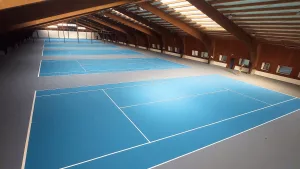 and wearable devices often dominate headlines, one of the most critical yet underrated components is tennis court flooring. The surface beneath a player’s feet directly impacts speed, control, injury risk, and overall gameplay. With the integration of sports technology, tennis court flooring has transformed into a high-performance system designed for precision, durability, and player safety.
Sports Tech Meets Infrastructure
Sports tech news is expanding beyond data and devices into physical infrastructure, where courts are engineered using advanced materials and scientific design.
What This Means for Tennis
Modern tennis courts are no longer just flat surfaces—they are:
- Multi-layered performance systems
- Engineered for shock absorption
- Designed for consistent ball response
- Optimized for different playing styles
This fusion of engineering and technology ensures that courts actively contribute to player performance.
Types of Tennis Court Flooring in the Modern Era
1. Acrylic Court Flooring (Tech-Driven Standard)
Acrylic courts have become the most widely adopted surface in modern tennis facilities.
Why Acrylic Leads
- Uniform ball bounce for professional play
- Weather-resistant coatings for outdoor use
- Customizable speed (slow, medium, fast)
- Low maintenance with long-term durability
Acrylic systems are built using layered coatings that enhance grip, cushioning, and visual clarity.
2. Synthetic and Cushion Courts
These courts integrate rubber or foam layers beneath the surface.
Benefits
- Reduced joint stress
- Better shock absorption
- Ideal for training academies
They are particularly useful in high-performance environments where injury prevention is a priority.
3. Clay and Natural Surfaces (Enhanced by Tech)
Even traditional surfaces are evolving with technology:
- Improved drainage systems
- Laser-leveling for precision
- Moisture control technologies
This ensures consistent playing conditions regardless of weather.
How Sports Tech Enhances Tennis Court Flooring
1. Material Innovation
Modern court surfaces use advanced polymers and resins that:
- Increase durability
- Improve traction
- Resist wear and tear
These materials are engineered to maintain performance over time, even under heavy usage.
2. Smart Court Technology
The rise of smart courts is one of the biggest breakthroughs in sports tech.
Features
- Embedded sensors to track ball placement
- Player movement analysis
- Real-time feedback systems
These courts are widely used in elite training centers, helping players refine their technique with data-backed insights.
3. Climate-Adaptive Surfaces
In countries like India, weather plays a major role in court performance.
Tech Solutions
- UV-resistant coatings
- Heat-reflective surface colors
- Water-resistant layers
These innovations ensure that courts remain playable and safe throughout the year.
Impact on Player Performance
The relationship between flooring and performance is direct and measurable.
Key Benefits
- Injury Reduction
Cushioned layers absorb impact, reducing stress on knees and ankles. - Improved Movement
Enhanced grip allows better footwork and quick directional changes. - Consistent Gameplay
Uniform surfaces ensure predictable ball behavior.
Professional players often tailor their training based on court type, making flooring a strategic element of the game.
Business and Investment Perspective
Tennis court flooring is now a strategic investment rather than just a construction decision.
Why Facilities Are Upgrading
- Attract tournaments and events
- Enhance brand reputation
- Increase player satisfaction
- Reduce long-term maintenance costs
Sports clubs, schools, and academies are prioritizing tech-driven courts to stay competitive in the market.
Sustainability in Sports Infrastructure
Modern sports tech is also addressing environmental concerns.
Eco-Friendly Innovations
- Water-based acrylic coatings
- Recyclable materials
- Energy-efficient installation processes
Sustainable court construction not only reduces environmental impact but also aligns with global sports standards.
Challenges in Modern Court Flooring
Despite advancements, there are still practical challenges:
- High initial installation costs
- Need for a professional application
- Periodic resurfacing requirements
However, the long-term performance and durability often justify the investment.
Future Trends in Sports Tech & Tennis Flooring
The future of tennis infrastructure is set to become even more advanced.
What’s Coming Next
- AI-integrated smart courts with instant analytics
- Augmented reality training overlays
- Self-healing surface materials
- Integration with wearable tech for real-time feedback
These innovations will make tennis courts smarter, more responsive, and highly personalized.
Conclusion on Tennis Court Flooring
Sports tech is not just transforming how athletes train—it is redefining the very surfaces they play on. Tennis court flooring, especially advanced acrylic systems, represents a perfect blend of engineering, performance, and innovation.
As demand for high-quality sports infrastructure grows, investing in tech-driven tennis courts is becoming essential for players, facility owners, and sports businesses alike.


Georges has been working in Wall Street for the last 16 years trading derivatives with hedge funds. He has been an active real estate investor for over a decade. Georges graduated from HEC Business School in Paris and holds a master in Finance from ESADE Barcelona.
