How to Set Up and Use a Slush Machine for the First Time (2026)
Go Back To Previous PageThere’s nothing quite like a perfectly frozen, ice-cold slush on a hot day. If you’ve just purchased your first slush machine, congratulations, you’re about to offer a product that sells itself.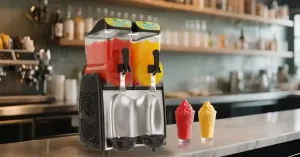 But getting started the right way takes a little preparation. From the initial setup to your first pour, each step matters. This guide walks you through everything you need to know, in the right order, so your machine runs smoothly from day one and keeps delivering great results for years to come.
What You Need Before Getting Started
Before you even unbox your slush machine, it pays to gather everything you’ll need upfront. Slush machines are straightforward to use, but a little preparation prevents unnecessary delays once the machine is on your counter and ready to go.
The Equipment and Supplies You Should Have on Hand
At a minimum, you’ll need your slush machine, the appropriate slush syrup (more on that shortly), clean water, and a measuring jug. Some slush machines also come with a cleaning solution or recommend a specific type. Check your manual before you start, since different models have slightly different requirements. Having all of this within arm’s reach before you begin saves time and avoids mid-setup frustration.
Understanding Your Machine’s Specifications
Not all slush machines are the same. Some are single-bowl, others have two or three separate barrels. The bowl capacity, motor strength, and compressor type all affect how your machine performs. Take a few minutes to read through the manual and note the maximum fill level, the recommended syrup-to-water ratio, and the voltage requirements. This upfront knowledge helps you avoid mistakes that could damage the machine or produce a poor-quality slush.
Food Safety and Hygiene Prep
Before adding any syrup or water, thoroughly rinse the inside of the bowl with clean water. Even brand-new slush machines can carry dust or residue from manufacturing and shipping. Use food-safe cleaning practices throughout this process. Clean hands, clean utensils, and a clean workspace make a real difference, especially if you plan to serve the slush to customers or guests.
How to Assemble and Install Your Slush Machine
Assembly is usually straightforward with most slush machines, but a few details can trip up first-time users. Following the correct order of steps here sets you up for a smooth operation later.
Choosing the Right Location and Power Setup
Place your machine on a flat, stable surface with enough clearance around the sides and back for ventilation. Many slush machines rely on air-cooled compressors, so blocking the vents can cause overheating and affect performance. Keep the machine away from direct sunlight and heat sources. For power, always connect it to a grounded outlet that matches the voltage listed in the manual. Avoid extension cords if possible, since slush machines draw a consistent electrical load and benefit from a direct connection.
Attaching the Bowl and Dispensing Tap
Most models ship with the bowl and tap detached for transport. Refer to your manual to attach the bowl correctly, since an improperly seated bowl can leak once you add liquid. The dispensing tap usually locks into place with a twist or clip mechanism. Test it before adding any liquid by pressing it gently and making sure it feels secure. A loose tap is one of the most common causes of messy countertops on first use.
Running a Test Cycle Before Adding Syrup
Before you add your slush mix, run the machine empty for a few minutes to confirm everything works as expected. Listen for the motor and check that the bowl rotates properly. If the machine makes unusual sounds or the bowl doesn’t move, stop and consult the manual. Catching mechanical issues before the syrup goes in is much easier than dealing with them mid-operation.
How to Mix and Add Your Slush Syrup
The syrup mix is where flavor meets function. Get the ratio wrong, and you’ll either end up with a watery slush that won’t freeze or a thick, overly sweet product that clogs your machine.
Getting the Syrup-to-Water Ratio Right
Most slush syrups come with a recommended dilution ratio, often somewhere between 1:4 and 1:6 (syrup to water). Always follow the specific instructions on your syrup’s label, as formulas vary by product. Use cold water rather than warm or hot water, as warm or hot water can affect freezing performance. Mix the syrup and water together in a separate jug before pouring it into the machine rather than adding them separately to the bowl.
Filling the Machine Correctly
Pour your pre-mixed slush liquid into the bowl slowly to avoid splashing. Never exceed the maximum fill line on the bowl, as overfilling can cause the mix to overflow as it expands slightly during freezing. Aim to fill to about 80% of the maximum capacity on your first attempt, which gives you a safe margin while you get familiar with how your specific machine behaves.
Flavor Tips for a Better Product
If you plan to offer multiple flavors, start with one flavor on your first run to simplify the process. Once you’re confident in the setup, you can expand. Store your unused syrup in a cool, dry place and always seal the container after use. Fresh syrup produces noticeably better flavor, so avoid letting open containers sit for extended periods.
The Freezing Process: What to Expect and How Long It Takes
Patience is a big part of the first-time slush machine experience. The freezing process takes time, and understanding what’s normal helps you avoid unnecessary panic.
How Long Does It Take to Reach the Right Consistency
On average, most slush machines take between 30 and 90 minutes to produce a properly frozen slush, depending on the room temperature, the machine’s compressor strength, and the volume of liquid in the bowl. Don’t turn the machine off and on repeatedly during this period, as consistent operation produces the best results. Let it run without interruption until you start to see the mix thicken and take on that recognizable icy texture.
What the Slush Machine Should Look Like
A properly frozen slush has a soft, semi-frozen consistency. It should flow slowly out of the tap with a light push and hold its shape briefly in a cup. If the mix is still fully liquid after 90 minutes, check that the machine is set to the correct cooling mode and that the bowl is rotating. If it freezes too solidly, the syrup ratio may be off, or the machine’s thermostat may need to be adjusted.
Adjusting the Freeze Level
Many slush machines include a thermostat or freeze control dial. If your slush comes out too slushy or too icy, use this control to fine-tune the result. Start with the manufacturer’s recommended setting and adjust from there based on what you observe. Small adjustments go a long way, so change the dial gradually rather than jumping to an extreme setting.
How to Serve, Clean, and Maintain Your Slush Machine
Once your slush is ready, it’s time to serve, and then, just as importantly, it’s time to keep your machine in good shape for the next use.
How to Serve Slush Properly
Hold your cup directly under the tap and press the lever gently. A good slush should dispense smoothly without force. If the product is flowing too fast or too slowly, refer back to your freeze level settings. For the best presentation, fill the cup to about 80% full, since the slush will settle slightly after dispensing. Serve immediately for the best texture and flavor experience.
Daily and Weekly Cleaning Routine
At the end of each day, drain the remaining slush mix from the bowl and rinse it thoroughly with clean water. Once a week, or whenever you change flavors, do a full clean with a food-safe cleaning solution. Disassemble the tap and clean all removable parts separately. Bacteria can build up quickly in sugary environments, so a consistent cleaning routine protects both your machine and the people who enjoy your slush.
Long-Term Maintenance for Reliable Performance
Every few weeks, inspect the machine’s seals, gaskets, and the condition of the bowl. Worn seals can cause leaks, while a scratched bowl can harbor bacteria. If your machine has an air-cooled condenser, use a soft brush or vacuum to clear any dust buildup from the vents. Regular attention to these small details extends your machine’s life considerably and keeps it performing at its best.
Conclusion about Slush Machine
Setting up a slush machine for the first time doesn’t have to be complicated. With the right preparation, a careful installation, and a good understanding of the freezing process, you’ll be serving great slush in no time. Follow a consistent cleaning routine and pay attention to small maintenance details, and your machine will reward you with excellent results every time.
Related posts



Georges has been working in Wall Street for the last 16 years trading derivatives with hedge funds. He has been an active real estate investor for over a decade. Georges graduated from HEC Business School in Paris and holds a master in Finance from ESADE Barcelona.
