Can You Drink Tap Water in NYC? (2025)
Go Back To Previous PageQuick answer: Yes, NYC tap water is safe to drink — it’s unfiltered but rigorously tested, sourced from protected upstate watersheds, and considered among the best municipal water in the country. The real risk isn’t the water leaving the reservoir; it’s what it passes through on the way to your glass: older buildings can still have lead service lines, and NYC offers free lead testing and, in eligible cases, free line replacement. NYC water is also naturally soft, a small quality-of-life detail that has nothing to do with safety and everything to do with scale buildup in your kettle.
New Yorkers brag about the tap water the way other cities brag about their sports teams, and for once, the hype is basically earned. Bakers specifically credit the water’s mineral profile for the city’s bagels and pizza dough — it’s not folklore either: bagel shops as far as New Jersey and Denver have gone to the trouble of trucking in actual NYC water, or building filtration systems specifically to mimic it, because tap water from home just doesn’t produce the same chew. None of that happens by accident. Here’s what’s actually in the water, what isn’t, and the one thing worth checking in your specific building before you take the bragging entirely at face value.
Where NYC’s Water Actually Comes From
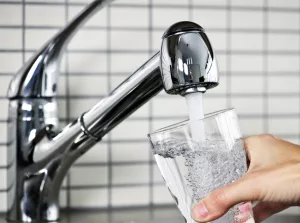 About 90% of the city’s water comes from the Catskill and Delaware watersheds, up to 125 miles north of the city, with the rest coming from the Croton system closer to home. It’s one of the largest unfiltered municipal water systems in the country — the source water is clean enough to skip traditional filtration, relying instead on protected watershed land, disinfection, and fluoridation before it reaches your tap. The Department of Environmental Protection runs more than 500,000 water quality tests a year to keep it that way.
| Watershed System | Approx. Share of NYC’s Supply | Distance from City |
|---|---|---|
| Catskill | ~40% | Up to 125 miles north |
| Delaware | ~50% | Up to 125 miles north |
| Croton | ~10% | Closer, within ~50 miles |
The three-system setup exists partly for redundancy — if one watershed runs low or needs maintenance, the other two can pick up the slack, which is part of why NYC hasn’t had a citywide water shortage despite serving roughly 9 million daily users plus millions more in the upstate counties the same system also supplies.
A Very Short History
The city’s water ambitions go back further than you’d guess: the Croton Aqueduct opened in 1842, specifically because Manhattan’s local wells and cisterns had become too polluted and disease-prone to trust — a genuinely dramatic public health upgrade for its era. The Catskill system followed in the early 1900s, and the Delaware system was completed by the mid-20th century, at which point the current three-watershed setup was essentially locked in. It’s a 180-year-old infrastructure bet that’s still paying off, which is more than you can say for most things built in 1842.
Is NYC Tap Water Actually Safe?
Yes. By every regulatory measure the EPA and NYC DEP use, the water leaving city reservoirs meets or beats federal safety standards, and has for decades. That said, “meets legal limits” and “meets the strictest possible health guideline” aren’t always the same claim, which is where the next section comes in.
The Contaminants Worth Actually Knowing About
The Environmental Working Group’s Tap Water Database — which applies stricter health guidelines than the federal legal minimum — has flagged several contaminants in NYC’s water above its recommended levels in recent testing, most of them disinfection byproducts (like trihalomethanes and haloacetic acids). That sounds alarming until you know what it actually means: these compounds are a byproduct of chlorination, the same process that kills the pathogens that would otherwise make water genuinely dangerous. It’s a trade-off every chlorinated water system in the country makes, not something unique or newly wrong with NYC’s water specifically. If you want the exact current numbers for your specific system, EWG’s database is public and searchable.
The Real Risk Isn’t the Water — It’s the Pipes
This is the part most casual “is NYC water safe” articles skip past too quickly. Water leaving the reservoir is one thing; water arriving in your kitchen after traveling through your specific building’s plumbing is another. NYC has plenty of older buildings, and some still have lead service lines — a genuinely serious issue, since lead exposure has no safe threshold, unlike most contaminants that show up on a standard water quality report.
The good news: this is one of the more actionable water-safety issues out there, not an abstract worry you can’t do anything about.
- Free lead testing kits are available from NYC DEP — request one and test your specific tap rather than assuming based on your building’s age. Results typically take a few weeks.
- Free lead service line replacement is available for eligible homeowners in certain neighborhoods through DEP’s Lead Service Line Replacement Program, funded in part by federal infrastructure money — a line that would otherwise cost a homeowner upwards of $10,000 to replace privately.
- Run the tap before drinking if water has been sitting in the pipes for hours (like first thing in the morning) — letting it run for 30 seconds to a minute flushes out water that’s had the most contact time with older interior plumbing.
- Older buildings deserve extra scrutiny during a home inspection — ask specifically about the building’s service line material, not just whether “the water is fine,” which is a different, less useful question.
Does NYC Have Hard Water?
No—NYC water is naturally soft. It is usually around 20–75 ppm. This can vary by borough and by watershed. Croton water is a bit harder than Catskill or Delaware water. This has nothing to do with safety and everything to do with everyday annoyances: soft water means less scale buildup in kettles and pipes, and typically less mineral residue on dishes and shower glass than what residents of harder-water cities deal with. One more quiet reason the tap water reputation here isn’t just civic pride talking.
NYC Tap Water vs. Bottled Water
Functionally, there’s rarely a meaningful safety difference. Tap water is regulated by the EPA, bottled water by the FDA, and both operate under strict purity standards — some bottled water brands are even sourced from municipal systems not unlike NYC’s own. Where they do differ is cost, and it’s not close:
| NYC Tap Water | Bottled Water | |
|---|---|---|
| Cost per gallon | Roughly a penny | $1–$3+ |
| Annual cost (1 gallon/day) | ~$4/year | $365–$1,000+/year |
| Regulating agency | EPA | FDA |
| Plastic waste generated | None | Significant |
Given that, buying bottled water in New York is less about safety.It is more about convenience or taste, which is a valid choice.But it is not based on a real safety gap. And it often costs much more than the free water from your faucet.
What About Fluoride?
NYC has added fluoride to its water since 1965. The level matches CDC guidance for preventing cavities. It remains part of the standard treatment process, along with chlorine disinfection.
Fluoridation has become more politically charged across the country in recent years. But NYC’s policy has not changed. If you want fluoride-free water, you will need a filter. Most standard carbon filters do not remove fluoride. You will need a reverse osmosis system. The city is not likely to change this policy anytime soon.
The Copepods Thing
Yes, NYC tap water can contain microscopic copepods — tiny, harmless crustaceans that feed on mosquito larvae, functioning as an unpaid, extremely small pest-control team. They are not harmful to ingest. But their presence means NYC tap water is not strictly kosher or vegan to some.This has come up as a real concern in parts of the Orthodox Jewish community. If it matters to you, a basic filter pitcher resolves it completely.
Tap Water FAQ
Is NYC tap water safe to drink?
Yes — it’s tested more than 500,000 times a year and meets or exceeds EPA safety standards. The main variable to watch is your specific building’s plumbing, not the city’s water supply itself.
Can you drink New York City tap water straight from the faucet?
Yes, no filtration is required for safety. Some people filter for taste or peace of mind about older building pipes, which is a reasonable personal choice rather than a necessity.
Does NYC have hard water?
No — it’s naturally soft, generally 20–75 ppm depending on watershed source, which is part of why NYC tap water tastes cleaner than water in many harder-water cities.
Is lead a real concern in NYC tap water?
It can be due to your building’s service line material rather than the water itself. NYC DEP offers free lead testing kits and, for eligible homeowners in certain neighborhoods, free lead service line replacement.
Is bottled water actually safer than NYC tap water?
Not meaningfully — both are strictly regulated (tap by the EPA, bottled by the FDA), and some bottled water is sourced from municipal systems similar to NYC’s own.
The Bottom Line
NYC tap water earns its reputation — it’s tested constantly, sourced from protected watersheds, and naturally soft. The one thing worth actually doing, especially in an older building, is requesting a free DEP lead test rather than assuming the citywide reputation automatically applies to the specific pipes between the street and your kitchen sink.
If you’re apartment hunting and want someone who checks the age of the plumbing along with everything else, NestApple pays buyers up to 2% back at closing — one more thing that’s better than what you’re currently getting for free.
Nicole Fishman Benoliel co-founded NestApple in 2017. She's a lawyer admitted to the New York bar - her law degree is from La Escuela Libre de Derecho in Costa Rica, with further study at IE Business School in Madrid and an LLM from Fordham in New York. She does not act in a legal capacity at NestApple; every client is referred to an attorney who handles real estate deals full time.