Bahia grass is a widely used warm-season grass known for its toughness, low maintenance, and heat- and drought-tolerance. It is frequently planted in lawns, pastures, and sports fields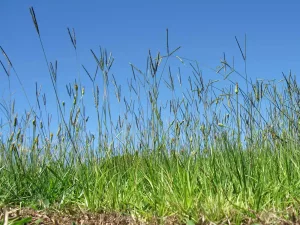 throughout the southern U.S. If you’re considering using Bahia grass for your yard or want to improve its growth, here’s a comprehensive guide to key questions about its establishment, maintenance, and care.
Homeowners in southern regions often face sandy soils and high temperatures. Therefore, they require a type that withstands heat and dry periods. Native to South America, Bahia grass is appreciated for its resilience and rapid growth. It thrives in hot climates and maintains a good appearance. Additionally, it produces healthy, lush lawns across diverse soil types.
How to Plant Bahia Grass Seed
1. Prepare and Till Your Lawn
The first step is to prepare your lawn by removing weeds and existing grass. Because bahia grass takes time to establish, weeds can hinder proper rooting. Use a rake to till the top 2 inches of soil, removing rocks, sticks, and clumps of dirt.
2. Add Fertilizer
Next, apply a layer of fertilizer rich in nitrogen and potassium. If you have a soil testing kit, test the soil to ensure the pH levels are between 5.5 and 6.5. Spread approximately 1 inch of fertilizer and mix it into the existing soil using a rake.
3. Spread the Bahia Grass Seed
Now it’s time to plan your Bahia grass seed. Use a broadcast spreader to distribute the seed evenly, applying about 1 pound per 100 square feet of lawn. Then, rake the soil again to blend the seed with the topsoil evenly.
4. Water the Grass Seed
After planting your bahia grass seed, water it thoroughly. Use a gentle mist and maintain daily watering unless there’s heavy rain. Avoid overwatering, as it can cause soil erosion and wash away seeds.
5. Maintain Your Bahia Grass Lawn
After the grass germinates in 2 to 4 weeks, reduce watering to once or twice a week. You can also apply an extra layer of fertilizer to promote growth. When the grass reaches about 3 inches tall, it’s time to mow for the first time.
Avoid cutting it shorter than 1 ½ inches, and be sure to remove the grass clippings from that initial mow.
How Long Does Bahia Grass Take to Grow?
Bahia grass typically takes between 3 to 6 weeks to grow, depending on soil conditions. As a slow-growing grass that thrives in warm soil, it can germinate in as little as 3 weeks if the soil is warm enough. However, in cooler soil, germination may be delayed, taking up to 4 weeks to start.
Is Bahia Grass Good For Lawns?
Bahia grass is ideal for lawns in hot, dry climates and thrives in poor soil. Its deep root system makes it highly drought-resistant, even in dry, compact soils like clay and sand. The grass has a coarser texture and is less smooth than northern grasses.
It grows best under full sun with minimal shade. Additionally, it tolerates poorly drained soils.
When Should Bahia Grass be Planted?
The optimal time to plant is in late spring and early summer. As a warm-season grass imported from South America in the early 20th century, it thrives during hot months. With proper care and suitable climate conditions, bahia grass can become a perennial, returning year after year.
It appears bright green in summer when active, and during colder months, it goes dormant, turning dark brown or tan. Nevertheless, once environmental stressors lessen, it can recover quickly. When properly maintained, it will remain dormant in winter and regrow in summer.
How Long Does It Take Bahiagrass to Germinate?
Bahia grass seeds usually germinate in 10 to 21 days under ideal conditions. The optimal soil temperature for germination ranges from 70°F to 95°F (21°C to 35°C). Maintaining consistent moisture and warmth is essential for rapid and successful germination.
Ensure the soil is well-prepared and kept moist during this period to promote healthy seedling development.
How Long Does It Take for Bahia Grass to Reseed Itself?
Bahia grass generally takes 2 to 3 months to reseed after flowering. It starts producing seed heads that are dispersed by wind or animals. For successful germination, the seeds require optimal soil conditions such as proper moisture and temperature. New growth typically appears within a few weeks once the seeds have settled into the soil.
How Do I Make My Bahia Grass Thicker?
Over time, Bahia grass tends to become thinner, so overseeding is the most effective way to maintain a lush, dense lawn. To achieve a healthier, thicker Bahia grass turf, follow these key practices:
- Proper Mowing: Keep mowing at 2 to 4 inches. Avoid mowing it too short, as that can stress the grass and decrease its density.
- Fertilization: Use a balanced fertilizer during spring and summer to promote vigorous growth. Nitrogen-rich fertilizers are especially beneficial for increasing thickness and overall health.
- Watering: Water deeply but infrequently, allowing the soil to dry slightly between watering sessions. This encourages deep root development and strengthens the grass.
- Aeration: Aerate your lawn once a year to reduce soil compaction and enhance root penetration. This process helps water, nutrients, and air reach the roots more effectively.
- Overseeding: In late spring or early summer, overseed with fresh, high-quality Bahia grass seed to fill in bare spots and boost density. The optimal time for overseeding is a month or two before the hottest months, as Bahia grass struggles to establish in the fall and may dry out during winter.
Maintaining a regular watering and fertilization schedule also promotes thicker growth.
Bahia Grass Fertilizer Schedule
Proper fertilization is essential for a lush, green Bahia grass lawn. Here’s a suggested schedule:
- Early Spring (March – April): Apply a slow-release nitrogen fertilizer with a balanced ratio, such as 16-4-8 or 20-5-10, to encourage new growth and prepare it for the season.
- Mid-Summer (July – August): Apply a second round of fertilizer, emphasizing a high-nitrogen formula to boost growth and density. Avoid fertilizing during the peak heat of summer to prevent stressing the grass.
- Fall (October – November): Provide a light feeding to help it recover from summer stress and prepare for winter dormancy. Use a balanced fertilizer, such as 12-4-8.
Bahia Grass Bottom Line
Bahia grass is ideal for warm climates, providing durability and low upkeep. By understanding its growth patterns, proper care routines, and maintenance schedule, you can cultivate a healthy, lush, and lively lawn. Whether reseeding, overseeding, or just maintaining your current lawn, these tips will help you get the best results with Bahia grass.
Although establishing a Bahia grass lawn requires some effort, it’s worthwhile because it looks attractive and is fairly simple to manage and care for.