Smart Home Features That Modern Renters Actually Care About
Go Back To Previous PageModern renters are no longer concerned with finding an apartment just because it has a certain square footage and is close to public transportation. Nowadays, many changes have taken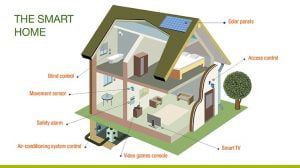 place in the rental market and in the way people want to live. Connectivity, convenience, and the ability to control their environment at all times have become major factors in tenants’ choice of rental homes.
Smart home features have become one of the main lease-driving factors in the property market, and if landlords fail to embrace this trend, they will not only suffer from longer vacancy periods but also incur higher turnover costs in the long run.
If you’re a landlord of rental properties or own real estate investments, you should learn which smart home technology features to add to your apartments to attract and retain the perfect tenants.
Why Smart Home Features Matter to Renters
Technology amenities have become important features for renters of different ages, says the National Multifamily Housing Council. Smart home features provide security, savings, and conveniences to today’s renters.
While these features have become important to many, they are particularly important to remote workers. Others who may benefit from smart home features are families and older people.
Smart Locks: Keyless Entry That Tenants Love
Keyless entry systems, or smart locks, are among the features most renters look for in properties today. By eliminating the hassle of lost keys, smart locks save tenants time and stress while giving them peace of mind that spare keys won’t fall into the wrong hands after a roommate moves out.
Landlords also benefit from these systems by eliminating the need for costly lock-and-key changes and reducing the number of after-hours lockout calls they receive.
In addition to allowing tenants to lock and unlock a door with a smartphone, many smart locks offer a few key benefits for landlords. For one, they can greatly reduce the number of calls to deal with a locked-out tenant. This can help save both time and money in the long run.
Furthermore, a good smart lock will keep a detailed record of when the lock is opened and by whom. This can aid in both security and liability instances. All in all, when looking for an ideal smart lock, choose one that is easy for your tenants to use and integrates well with your current systems and processes.
Smart Thermostats: Real Savings on Utility Bills
Energy costs for renters are important to manage and minimize. A smart thermostat is an ideal solution for managing this. Each smart thermostat can learn how a property is used and adjust heating and cooling as needed to maintain optimal temperatures and maximize savings.
It can also be controlled remotely via a smartphone, which can be ideal for tenants who are away from the property for extended periods and want to ensure they are not paying for unnecessary heating or cooling.
Smart thermostats can provide renters with real savings and make for a very attractive listing feature for landlords, especially in markets with many rental properties.
The U.S. Department of Energy estimates that consumers with programmable thermostats can save up to 10 percent on their heating and cooling bills by lowering their thermostat 7°F to 10°F for 8 hours a day. A smart thermostat will save tenants the same way.
Even if the landlord is paying the utilities for the rental property, energy costs could be reduced, saving the landlord money. This will reduce tenant complaints for high energy bills.
Smart Security Systems
Security cameras, video doorbells, and smart home security systems have become more standard in many markets and are even expected by some renters. Many property managers are investing in smart security systems to better monitor properties and improve renters’ experiences, and companies like Innovative Realty approach this by aligning security upgrades with what today’s tenants actually prioritize. Video doorbells are an affordable, visible solution that can be an effective selling point during viewings.
Smart security systems are expected to become common in more competitive markets, where many rental units are vying for the same group of applicants. Such smart security systems will alert the landlord to potential security breaches.
Those breaches could include an unauthorized entry into a rental unit. Such systems may include video security cameras, video doorbells, smart alarm systems, and smart locking systems. Many such smart security systems can be monitored and controlled via a smartphone app.
The use of a video doorbell at the front of a rental property can make a great first impression on potential tenants, as it shows you are a well-managed landlord who cares about tenant safety.
A centralized security system for a multi-unit home can offer tenants another way to feel secure in their rental property. With a system that tenants can monitor via an app, property managers and landlords don’t have to constantly check the various cameras. The cameras and other security elements can be monitored by tenants in real time.
Energy-Efficient Smart Lighting
Smart home lighting is an area of smart home technology that typically receives little attention from property managers and landlords because most renters expect to bring their own lighting to a rental property. But smart home lighting systems are a simple way to improve the quality of life in a rental property and can also provide many benefits to property managers.
Smart home lighting systems, such as motion-activated lights, programmable LED lighting, and smart light bulbs, can provide a range of benefits.
For example, they can save energy, improve safety, and provide a variety of conveniences. Many renters have reported high satisfaction with rental properties already equipped with smart home lighting systems.
Smart lighting in the common areas of multi-unit rental homes or apartments also helps to cut energy consumption. By automatically turning off lights, smart home technology reduces unnecessary usage and the time spent by property management or maintenance staff moving from room to room to switch off individual lights.
Once set up, simple smart lighting can be controlled with voice commands or a mobile app. Many see installing smart lighting in rental units as an upgrade to the property and a way to attract premium listings for tenants seeking a high-quality home.
Making Smart Features Work Without Overcomplicating Operations
The biggest complexity challenge with smart home technologies is having things break, often at the worst possible time, and when the property manager on call is typically asleep. For the above reason, the smart home devices that a landlord picks to include in a property must be highly reliable.
Importantly, the chosen devices should also have widely available customer support that can be easily and rapidly brought online to troubleshoot and fix the broken smart home device. Finally, smart home automation systems are easy to reset to address various problems that may arise and require repair, which helps mitigate the worst aspects of a potentially complex smart home system.
Landlords have to choose smart home products that function correctly, are well supported by manufacturers, are simple to reset in the event of a fault, and work over a standard Wi-Fi connection.
Basic instructions should be provided to help tenants set up products in rental properties, and systems installed by landlords should operate in the background without constant intervention.
Don’t try to incorporate all of the smart home technology features into your rental property all at once.
Start with something simple, like a smart lock and a video doorbell. Add a smart thermostat during the next turnover of the rental property. The point is that each smart home feature you add will strengthen your rental property listing and make it a better rental for your tenants. The smart home technology will also add value to your real estate investment over time.
In the end, it is your rental property, but it is the tenants’ home. There is a great deal of information available to help you make decisions about your rental. By arming yourself with that information, you can make smart choices that will serve you and your tenants well.
The rental market rewards landlords who stay ahead of the curve and keep up with the ever-changing needs and wants of today’s renters. When it comes to smart home features, they no longer mean “nice to have” but rather a standard that is expected and must be met early in the process to give you a competitive edge.

Georges has been working in Wall Street for the last 16 years trading derivatives with hedge funds. He has been an active real estate investor for over a decade. Georges graduated from HEC Business School in Paris and holds a master in Finance from ESADE Barcelona.