What to do with a balcony if you don’t need a relaxation area: drying room, storage room, workshop (2026)
Go Back To Previous PageYou don’t have to put a sofa or hammock on every balcony. In innumerable apartments, these spaces languish empty and useless, wasted square footage. Balcony Conversion to a Usable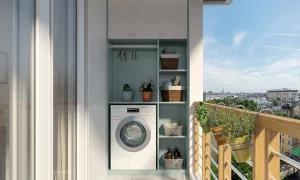 Space Could Save You Time, Money, and Frustration. You can even transform it into a drying room for your laundry without making a mess of the apartment.
Or, you may store the seasonal toys and tool sets on it in an organized manner. Some homeowners turn a space into a mini workshop for hobbies such as woodworking, painting, or electronics, providing a dedicated zone without disrupting the main living spaces.
For those managing renovations or financing apartment upgrades through LBC Mortgage, optimizing balcony space adds value and efficiency. Even limited space can serve practical purposes if planned carefully. With a few adjustments, your balcony stops being just a decoration and starts contributing real utility to daily life
Turn Balcony into Laundry Zone
Drying clothes inside functions is a problem for small flats. Traditional drying racks can be impractical in small spaces, and using a kitchen or bedroom for laundry only adds clutter and makes it harder for clothes to breathe.
A balcony is the perfect option—even for smaller apartments, as it enables racks, foldable lines, and, in some cases, small dryers without taking up living spaces. The key to preventing mold and keeping clothing fresh is proper ventilation. If the balcony is in an enclosed space, a small dehumidifier can speed up drying and reduce moisture buildup. Efficient balcony laundry with a few tips:
- Hooks and wall-mounted racks: Save floor space and keep clothing organized.
- Ceiling pulley systems: Allow clothes to hang high while staying out of the way.
- Weight distribution: With heavy-duty racks, you need to strike a balance; lopsided weight can stress your railings or warp your floors.
- Compact dryers: Electric or gas-powered mini dryers work in small spaces and dry clothes faster than air alone.
- Ventilation and airflow: Open doors or windows when practical, or use fans to improve circulation.
- Organization: Use foldable hangers and collapsible racks to store equipment when not in use.
With a well-configured balcony, laundry moves out of the kitchen or bedroom, reducing indoor clutter by 30-50%. The distance, weight distribution, and ventilation are the reasons why linen dries faster, does not damage the balcony ceiling, and makes day-to-day chores easier. These simple tips can keep even a tiny apartment clean, efficient, and comfortable.
Maximize Storage on Small Balcony
Balconies rarely reach their maximum storage capacity. Shelves, cabinets, or stackable bins could free 10 to 15 square feet within the apartment. This means seasonal items, sports equipment, or cleaning supplies can fit inside when you use vertical space. The catch: Don’t overburden the floor. A heavy box can ruin a balcony deck.
If you label everything with any clarity, you’ll save minutes of searching for something. If the balcony is open to the elements, waterproof containers help prevent water damage. The payoff is so underrated: even a little corner of it can save you 40-50% of your indoor floor space.
Build a Compact Workshop
Hobbyists and home-improvement junkies are always complaining about space around the house, but a balcony can be just the right spot for working on small painting, electronics, or woodworking projects. It is also wise to install a folding workbench and pegboard in the garage to organize tools and materials and make them easy to find when needed.
The more power sources you can get, the better, because extension cords are no fun and not very safe for long-term use. Soundproofing the studio you work in reduces noise complaints and fights at home from your saws, drills, or other power tools.
But good ventilation is crucial, particularly for paints, solvents, or welding gear. Don’t get anything that’s overly bulky; after all, the average balcony isn’t rated for those kinds of loads—look for an option like lightweight and portable construction instead.
When planned thoughtfully, your balcony becomes a designated project zone that keeps mess and chaos out of living rooms and kitchens. And that’s not only convenient but ultimately a safer and more efficient work environment for all creative projects.
Create a Mini Indoor Garden
Even the narrowest of balconies can be made into a productive garden. You can plant vegetables, herbs, or flowers in railing planters, vertical shelves, and hanging pots that won’t take up your floor space. Plant placement is important for some plants, as they need sun, and you don’t want your floors to rot. Indoor gardeners can save 15–20% per year on their fresh herb and vegetable purchases.
Having an outdoor balcony garden is fun, rewarding, and easy!
If space is at a premium, consider vertical gardening or select dwarf varieties that thrive in small pots. The trick is not to overwater, as this will immediately stress the plants and rot your balcony floor. With a small investment in planters and soil, your balcony can be a green respite that improves air quality, cheers you up, and provides fresh ingredients for meals—while also making the most of confined space.



Georges has been working in Wall Street for the last 16 years trading derivatives with hedge funds. He has been an active real estate investor for over a decade. Georges graduated from HEC Business School in Paris and holds a master in Finance from ESADE Barcelona.
