If you’re purchasing an apartment in New York City, you’ll probably need to include an Assumption of Alteration Agreement in your co-op board application.
What is a NYC Co-op Assumption of Alteration Agreement (2026)
Go Back To Previous PageWhat is this document, and why is it required?
An Assumption of Alteration Agreement means the buyer accepts responsibility for any past renovations carried out under an alteration agreement between the seller and the co-op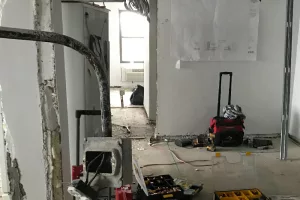 corporation. The co-op Assumption of Alteration Agreement typically contains seven blanks.
- Estimated Closing Date: Enter the anticipated closing date listed in the purchase contract.
- Buyer Name(s): List the full legal name(s) of the purchaser(s) taking title to the shares, as listed in the purchase contract.
- Seller Name(s): List the full legal name(s) of the current shareholder(s) transferring ownership.
- Name of Co-op Corporation: Enter the official name of the co-op corporation as it appears on the purchase contract.
- Apartment Number: Specify the unit number of the co-op you’re buying.
- Co-op Street Address: Enter the street address of the co-op building.
- Estimated Closing Date: Enter the anticipated closing date (repeat the same date from field #1).
This contract makes the new shareholder responsible for maintaining, repairing, or removing past modifications, thus protecting the co-op board from those responsibilities.
Therefore, important details include:
- Liability Transfer: It shifts the responsibility for previous renovations (such as floor replacements or wall removals) from the seller to the buyer.
- Binding Obligation: The buyer agrees to comply with the terms of the original Alteration Agreement, signed by the seller and the Board.
- Closing Requirement: This agreement is usually part of the co-op application or presented just before closing.
- Content: It outlines the involved parties (buyer, seller, and co-op corporation), the apartment number, and refers to the original renovation.
Lastly, failing to sign this agreement may delay closing or make the new owner liable for illegal, unapproved work without prior official acceptance of that liability.



Written By: Georges Benoliel

Georges has been working in Wall Street for the last 16 years trading derivatives with hedge funds. He has been an active real estate investor for over a decade. Georges graduated from HEC Business School in Paris and holds a master in Finance from ESADE Barcelona.