What Home Inspectors and Pest Control Experts Notice Before You Buy: A Professional’s Guide to Hidden Property Damage
Go Back To Previous PageBuying a home in New York, Connecticut, or Florida shares one quiet threat rarely shown in listing photos: pest damage that can develop behind the walls for months or years before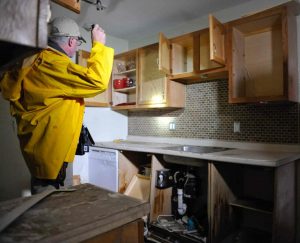 anyone notices. For readers who follow NestApple to save money on commissions and make sharper purchase decisions, this matters just as much as the asking price. Hidden termite or rodent damage can erase the savings from a negotiated commission rebate many times over, turning what looked like a smart deal into a six-figure repair project after closing.
That is why savvy buyers increasingly treat the home inspection and pest evaluation as inseparable steps, not optional add-ons. A low purchase price means little if the subfloor is compromised or if wood-destroying insects have already weakened load-bearing framing. Inspectors and pest professionals are trained to look past staging and fresh paint, and their combined findings often reshape negotiations entirely, sometimes resulting in credits, repairs, or a buyer walking away before signing anything binding.
What Home Inspectors and Pest Experts Notice First: The Hidden Damage Checklist
Seasoned inspectors don’t start with the attic or roofline; they start at the foundation perimeter, looking for mud tubes, soil-to-wood contact, and moisture pooling near the slab. These conditions invite subterranean termites, and a trained eye will almost always spot them within the first ten minutes of a walkthrough.
Pest professionals also check crawl spaces and sill plates for soft, spongy wood, since that texture change signals active feeding long before any visible hole appears on a wall surface. Buyers touring a home on their own rarely think to tap baseboards or press on window frames, yet that simple test often reveals damage a casual showing can hide.
For buyers working with a regional pest control company in Fort Lauderdale, this checklist becomes even more important because South Florida’s humidity and sandy soil create near-perfect conditions for termite colonies to establish quickly and spread undetected.
Professionals in that market routinely find drywood termite frass, tiny pellet-like droppings, tucked into closet corners or garage shelving, a detail that most buyers would mistake for sawdust or dirt. They also check attic insulation for rodent tunneling patterns, since compressed or displaced insulation is one of the clearest signs that mice or rats have been nesting undisturbed.
Early Warning Signs That Cost Thousands If Missed
The financial stakes behind these inspections are not abstract. According to PestWorld, only 36 percent of homeowners know the common signs of a termite infestation, yet termites cause an estimated $ 6.8 billion in property damage annually, most of which goes undetected until the structural damage becomes severe. That awareness gap is why buyers cannot rely on a seller’s disclosure alone, since many sellers genuinely don’t know their home has a problem until a professional points it out during a transaction.
Rodent damage follows a similar pattern of silent escalation. Chewed wiring, shredded duct insulation, and gnaw marks along baseboards rarely get noticed until an exterminator or inspector physically opens up a crawl space or attic hatch.
Left unaddressed, these issues compound quickly, since a single untreated entry point can allow a colony to reestablish within weeks of any temporary fix. Buyers who skip a dedicated pest inspection in favor of a general home inspection sometimes miss these signs entirely, because general inspectors are trained to flag structural and safety issues rather than pest-specific indicators.
| Metric | Figure |
| Annual termite damage in U.S. homes (2026) | $6.8 billion |
| Average repair cost per termite infestation | $3,000 per homeowner |
| U.S. homes affected by termites annually | 600,000+ |
| Homeowners aware of termite damage risk (2026 survey) | Only 58% |
| Homeowners familiar with termite warning signs (2026 survey) | Only 36% |
Fort Lauderdale’s Unique Pest Threats: Why Local Climate Matters
Climate is one of the biggest variables buyers underestimate when comparing markets, and Fort Lauderdale’s year-round warmth and humidity make it notably different from the Northeast properties many NestApple readers are used to evaluating.
Subterranean and drywood termites both thrive in this climate, and unlike in colder regions where termite activity slows in winter, South Florida colonies can remain active year-round. This means a property that looked fine during a quick January walkthrough can still harbor an active, growing infestation, since no seasonal pause would otherwise limit damage.
Local professionals also watch for conditions specific to coastal construction, including wood-frame additions, older stucco homes with hidden moisture intrusion, and landscaping that keeps soil moisture high against the foundation. These factors rarely appear on a standard inspection checklist built for other regions, which is part of why buyers relocating from out of state are often surprised by the scope of a thorough local pest evaluation.
Anyone comparing properties across state lines should treat regional pest risk as seriously as property taxes or flood zone status, since repair costs can be just as significant to a household budget.
When to Call a Professional: Red Flags That Demand Immediate Action
Certain signs should stop a purchase decision in its tracks until a licensed pest professional has fully assessed the property. Visible mud tubes on foundation walls, discarded termite wings near windowsills, hollow-sounding wood when tapped, and musty odors in enclosed spaces all warrant an immediate, separate pest inspection rather than relying solely on a general home inspector’s summary.
Buyers who notice these signs during a showing should request documentation of any prior treatments and ask directly whether the seller has an active pest control contract, since that history often reveals patterns a single walkthrough cannot.
Smart buyers build this diligence into their overall purchase strategy, the same way they shop around for better commission terms, as explored in get my rebate, which helps offset some of the costs tied to inspections and unexpected repairs.
Pairing a rebate-focused buying strategy with rigorous pest and structural diligence gives buyers real negotiating leverage, since documented damage can be used to request seller credits or price adjustments before closing. In competitive markets, this combination of financial savvy and technical awareness often separates buyers who overpay for hidden problems from those who walk into ownership with a clear, accurate picture of what they are actually buying.



Georges has been working in Wall Street for the last 16 years trading derivatives with hedge funds. He has been an active real estate investor for over a decade. Georges graduated from HEC Business School in Paris and holds a master in Finance from ESADE Barcelona.