Got Pest Problems? Got a Bigger Problem: Lower Home Value
Go Back To Previous Page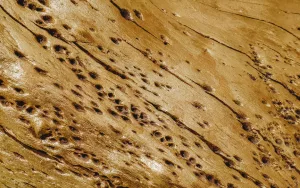
Pest Problems
Termites discovered during a home inspection can derail a sale within days. A mouse infestation spotted by potential buyers often leads to renegotiated offers—or worse, withdrawn interest entirely. These situations happen in real estate deals across the country. The financial impact goes far beyond an exterminator’s fee.
Pest infestations create a domino effect on property value that many homeowners fail to anticipate. Wood-boring insects can cause structural damage. Rodent droppings can pose health risks.
A known history of pests can create stigma. All of these can reduce a property’s market appeal. Understanding the link between pest control and home value is important. It helps protect your investment and prepare for a future sale.
How Pests Directly Impact Property Value
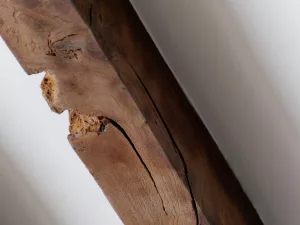
The relationship between pest presence and home value operates on multiple levels. Visible damage represents the most obvious concern. Termites can compromise floor joists, wall studs, and roof rafters, creating repair bills that easily reach five figures.
These wood-destroying insects cause billions in damage annually to structures nationwide, with individual states sometimes accounting for hundreds of millions in losses. Buyers who discover termite damage during inspections typically demand price reductions matching the repair costs, plus an additional buffer for unknown damage.
Rodent infestations create different but equally serious problems. Mice and rats gnaw through electrical wiring, creating fire hazards that insurance companies take seriously. Their droppings contaminate insulation and spread diseases like hantavirus.
Appraisers consider these factors when they assess a property. Buyers often walk away to avoid inheriting someone else’s pest problem.
The timing of pest discovery matters considerably. An active infestation found during the selling process gives buyers immediate leverage to negotiate.
Structural issues flagged during home inspection contingencies can lead buyers to renegotiate the asking price or back out entirely. Even a fixed infestation, with proper records, can lower a property’s appeal. This depends on the severity and local market conditions.
The Hidden Costs Beyond Extermination
Professional pest control addresses the immediate problem but rarely covers the full financial impact. Structural repairs following termite damage often require permits, licensed contractors, and follow-up inspections. Walls may need to be opened, damaged wood replaced, and finishes restored. The disruption alone can extend a home sale timeline by weeks or months.
Remediation of rodent damage involves more than setting traps. Contaminated insulation must be removed and replaced. Electrical systems need inspection and potential rewiring. HVAC ducts might require cleaning or replacement if rodents nest inside them.
These costs accumulate quickly, and surprise homeowners who assumed a few hundred dollars would solve the problem.
Disclosure laws in most states require sellers to reveal known pest issues to potential buyers. This legal obligation means that even successfully treated infestations become part of the property’s permanent record. Future buyers will see these disclosures, and savvy negotiators will use them to justify lower offers.
Prevention Protects Property Value
Regular pest inspections serve as insurance against value erosion. Annual termite inspections in areas prone to infestations cost a fraction of the damage these insects cause.
Many pest control professionals in Slidell and other coastal regions recommend quarterly inspections due to the warm, humid climate, which keeps pests active year-round. These maintenance plans create a documented history of responsible property management that becomes valuable during the selling process.
Addressing moisture problems prevents pest attraction in the first place. Termites and carpenter ants gravitate toward damp wood. Fix leaky pipes, improve drainage around the foundation, and keep crawl spaces well-ventilated.
These steps remove the conditions pests need to thrive. Regular exterior maintenance tasks also benefit the property in other ways, making them worthwhile investments beyond pest prevention.
Sealing entry points represents another proactive strategy. Gaps around pipes, cracks in foundations, and openings where utilities enter the home provide access for rodents and insects. Spending a weekend with caulk and steel wool costs little but prevents infestations that could cost thousands to resolve.
The Appraisal Impact
Professional appraisers consider pest damage when determining property value. Structural issues from termites or carpenter ants directly affect the home’s soundness and safety. An appraiser who finds active damage or signs of past infestation will note these issues in the report. This may lead to a lower value than similar pest-free properties.
Lenders rely on appraisals to determine loan amounts. If an appraisal comes in lower than expected because of pest-related damage, buyers may struggle to secure financing for the agreed-upon purchase price. This situation often forces sellers to make repairs, reduce the price, or find a cash buyer willing to take on the risk—all of which reduce the final sale amount.
The presence of a current pest control contract can actually enhance property value. Documentation showing regular inspections and treatments demonstrates responsible ownership. Some buyers see this history as a good sign the property is well maintained. It may ease concerns about past issues.
Regional Considerations
Pest problems and their impact on home values vary by location. Termites pose a more significant threat in warm, humid climates where they remain active year-round. Properties in the southeastern United States often face a high risk of termites. This makes inspection history very important to buyers in these markets.
Coastal properties encounter unique challenges because of moisture and temperature conditions that favor pest activity. Working with a pest control company in Port St. Lucie or similar waterfront communities often means dealing with specific insects and rodents that thrive in these environments. These regional pest pressures directly influence how buyers evaluate properties and what they’re willing to pay.
Western states deal more frequently with rodent issues, particularly in areas bordering open space or agricultural land. Mountain regions face unique challenges from carpenter ants and wood-boring beetles. Understanding the specific pest pressures in your area helps prioritize prevention efforts and maintain property value.
Urban properties face different pest challenges than rural homes. City dwellings contend with cockroaches, bed bugs, and rats attracted to dense populations and readily available food sources.
According to census data, millions of homes reported rodent and cockroach infestations in recent surveys, with some properties experiencing both simultaneously. Suburban and rural properties are more likely to deal with mice, termites, and wildlife. Each scenario requires tailored prevention strategies to protect property value.
Long-Term Value Protection
Maintaining detailed records of all pest control activities creates value when selling. Documentation should include inspection reports, treatment records, and receipts for any repairs. This paper trail demonstrates to buyers that problems were promptly identified and professionally addressed.
Transferable pest control warranties add selling power. Some pest control companies offer warranties that can transfer to new owners. This gives peace of mind and may support a higher asking price. These warranties typically cost extra but can pay dividends during negotiations.
Proactive pest management should be viewed as part of regular home maintenance, similar to HVAC servicing or roof inspections. Homes with documented maintenance histories consistently command higher prices than comparable properties without such records. The modest ongoing cost of pest prevention delivers returns when the time comes to sell.


Georges has been working in Wall Street for the last 16 years trading derivatives with hedge funds. He has been an active real estate investor for over a decade. Georges graduated from HEC Business School in Paris and holds a master in Finance from ESADE Barcelona.