How Trees Increase Home Property Value in New York
Go Back To Previous PageWhen selling your home in New York, weigh the pros and cons of repairs and services to get the highest sale price with the lowest time and money investment. Most homeowners turn to interior renovations, such as updating kitchens and bathrooms. However, many people don’t realize that tree maintenance in New York can deliver more profit for less money upfront. Below, we’ll discuss which trees in NY increase property value the most and how tree maintenance can improve your home value.
We will also discuss the costs of tree services and which ones offer the best value for your investment.
Which Trees Increase NY Home Value the Most?
No matter where you live, the trees that increase property value are always species that can thrive in your hardiness zone. Plant hardiness zones describe which trees and plants can thrive in an area based on climate and soil conditions, and New York ranges from 3a to 6b.
The trees listed below are well suited to these zones. They’ll look appealing, healthy, and have a better chance of increasing home value.
Weeping Cherry Tree
The weeping cherry tree is a small and manageable species, making it ideal for New York’s smaller properties and homeowners with little time to care for their trees.
This species flowers in the early spring and summer, adding natural beauty to any property.
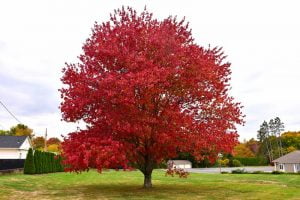
Red Maple
Once established, red maple trees are hardy and easy to care for, thriving throughout New York.
They can significantly increase property value thanks to their beautiful coloration and low-maintenance needs.
Linden Trees
Linden trees are popular in New York because they adapt well to the climate and urban environment. They add beauty to any landscape and are relatively easy to care for.
Most prospective buyers will find them very appealing.
Live Oak
Live oak thrives in many conditions, including those throughout New York. Most buyers will love this species’ impressive appearance, and its ease of care once established helps bolster property values.
Importance and Cost of Large Tree Maintenance to Increase Home Value
Having trees on your property isn’t enough— they must also be well-maintained to boost your home value. Sickly, dead, or potentially hazardous trees can negatively impact the value of your home.
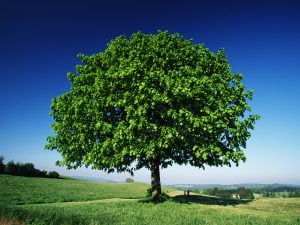
Below are some of the most crucial tree maintenance tasks you can do. These will all help improve your property’s appearance and value.
Annual Pruning
Regular pruning is crucial if you want your trees to add value to your property. Unkept trees often exhibit erratic growth patterns that appear unappealing and messy, and can be detrimental to the tree’s health.
Branches left to grow on their own can compete with one another and limit the light that reaches the lower limbs. Sometimes, they go to dead or dying branches in the canopy.
Hiring an arborist to perform annual pruning typically costs around $175 per tree. The service makes trees more aesthetically pleasing, promotes healthy growth, and ensures no dead or dying branches pull resources away from healthier ones.
Pruning also helps protect trees from diseases and insect infestations that can harm or kill them.
Real estate experts say well-maintained trees can significantly impact property value, up to about 10% in some cases.
In New York, invasive insects such as the Asian longhorned beetle, the emerald ash borer, the gypsy moth, and the hemlock woolly adelgid can infest stressed or dying trees. These insects tend to feed on sapwood or leaves.
They gradually deprive the tree of resources and can kill it within weeks or months.
Arborists can apply pest treatments to protect your trees from these invasive species. Arborists can apply tree-safe pesticides to the bark, limbs, or leaves, place them in the soil, or inject them into the trunk. Most pesticide treatments cost around $100 every three to four months.
Pest treatments may seem expensive, but they can boost your property value in the long run. Infested trees often look unappealing and can significantly reduce your home’s curb appeal.
If prospective buyers understand invasive species in New York, they may spot an infestation and recognize that the tree is at risk of dying or falling. Some buyers may not want to deal with the expense or headache of removing the tree.
Disease Treatments
Finally, New York trees are prone to various tree diseases, including oak wilt, beech leaf disease, root rot, anthracnose, and verticillium wilt.
These diseases can severely affect tree species native to New York. Many can kill a tree shortly after infection, leaving it wilted, sickly, or dead.
Most arborists in New York can apply fungicides or implement tree injections to keep your trees safe for around $75 every few months. Depending on the diseases prevalent in your area, you may only need one or two treatments per year.
Treatments will help keep your trees alive and visually appealing. You can also tell buyers about the efforts you make to keep your trees healthy. This will instill confidence that you genuinely care about your home’s well-being. They’ll also be more likely to assume you maintain the rest of your home just as well.
Wrapping Up: How Trees Increase Property Value
Certain tree species in New York are well known for boosting property value. However, well-maintained trees will add to your home’s natural beauty.
Paying for annual pruning and pest and disease protection services may seem unnecessary. However, these relatively small investments help maintain your home’s curb appeal and reassure buyers that it is well-maintained and cared for. Most buyers will pay more for a house they feel comfortable buying.

Georges has been working in Wall Street for the last 16 years trading derivatives with hedge funds. He has been an active real estate investor for over a decade. Georges graduated from HEC Business School in Paris and holds a master in Finance from ESADE Barcelona.