How to Plant and Grow St. Augustine Grass (2026)
Go Back To Previous PageSt. Augustine grass is a widely used variety, especially in the Southern United States, such as Florida. It is recognized for its excellent heat tolerance and dense growth, thriving in warm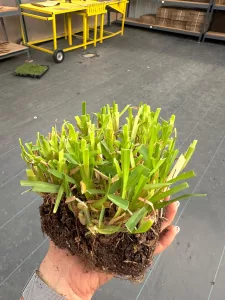 environments. It establishes itself quickly and grows rapidly, making it a popular choice for lawns, athletic fields, and other uses.
Planting and cultivating St. Augustine grass demands proper preparation and ongoing care to achieve a lush, healthy lawn. This warm-season grass, favored in the southern U.S., thrives in hot, humid conditions. Here’s a step-by-step guide for planting and growing St. Augustine grass.
1. Prepare Your Lawn
Before planting St. Augustine grass seed, proper lawn preparation is essential. Use a rake or rototiller to loosen the top 2 inches of soil and remove weeds, rocks, and sticks. Break up clumps of dirt with a rake and level the ground for an even surface.
Since it rarely sells seed separately due to germination challenges, most store-bought seed mixes include other grass types to aid spreading and establishment.
2. Add Fertilizer
Before planting the seed, spread 1-2 inches of natural, nitrogen-rich fertilizer over your lawn. Alternatively, you can apply a non-selective herbicide and wait at least 2 weeks before adding the fertilizer. Since St. Augustine grass seed needs ample nutrients to grow, it’s crucial not to skip this step.
3. Apply the Seed
Next, spread the seed using a broadcast spreader. Once you’ve covered your yard, rake to incorporate the seed into the soil. You can also mix in some sand or topsoil to improve leveling.
4. Water the Lawn
After planting the seed, water your lawn with about 3-4 inches of water. Be careful not to overwater, as too much can drown the seeds and cause soil erosion. The goal is for the soil to soak up the water completely and stay moist and flexible. If you notice puddles forming, you’ve added too much water.
5. Continue Watering
Keep watering your lawn daily for the next two weeks until the roots stabilize and new grass begins to grow. After that, you can reduce watering to twice weekly for the following week, unless it rains. Take this opportunity to inspect your lawn for pests and critters.
St. Augustine grass is especially prone to pests and diseases, which can jeopardize your efforts. Look out for brown patches and mildew, which are signs of lawn disease. Wait until your grass reaches 3 inches before mowing for the first time. Ideally, mow it to a height of about 1-2 inches.
How to Plant St. Augustine Grass Sod
Sod is typically the preferred method for installing St. Augustine grass. Prepare the soil with a tiller and apply fertilizer beforehand. When laying the sod pallets, minimize seams and ensure edges do not overlap. Use a lawn roller to flatten bumps and eliminate air pockets.
After installation, water the sod with 3 inches of water, then water daily for two weeks. After two weeks, reduce watering to once a week unless it rains.
You can mow the grass for the first time after this period, but remove any grass clippings, as sod contains thatch that can thicken if clippings accumulate. Aim to mow frequently enough that you remove no more than ⅓ of the height each time.
How Fast Does St. Augustine Grass Spread?
While establishing St. Augustine grass can be challenging, it spreads quickly once rooted. It typically begins to spread within about two weeks. To enhance this process, apply regular fertilizer and mow your lawn regularly.
Where Does St. Augustine Grass Grow Best?
St. Augustine is a warm-season grass that thrives in hot climates with plenty of sunlight, making it popular in the Southeast US. The optimal time to plant St. Augustine seed is early in the warm season, specifically in late spring after the last frost. Planting too late in the year may prevent it from establishing before colder weather begins.
Planting St. Augustine Grass Bottom Line
Cultivating St. Augustine grass requires proper preparation, effective planting, and ongoing maintenance. By adhering to these guidelines, you can create a healthy, vibrant lawn suited for warm climates. Consistent watering, mowing, fertilizing, and pest control are essential to keep your lawn lush and thriving.



Georges has been working in Wall Street for the last 16 years trading derivatives with hedge funds. He has been an active real estate investor for over a decade. Georges graduated from HEC Business School in Paris and holds a master in Finance from ESADE Barcelona.
