If you’re considering purchasing a home but lack sufficient funds for the earnest money deposit, it’s important to pause and carefully assess whether buying a home and securing a mortgage is the right decision for you.
Here are some common scenarios where this could happen, along with possible actions you might take in each case.
You have assets but no liquidity
You might have a substantial amount of assets, but due to their illiquid nature, you may not have much cash on hand for short-term liquidity. In this case, consider whether you can secure a loan against your assets and if the terms are suitable.
It’s advisable to consult with your financial and tax adviser to determine if an asset-backed loan could help cover your earnest money deposit and possibly the entire purchase price. If you decide to borrow against your illiquid assets for the earnest money, it’s important to plan how you’ll cover the remaining purchase balance and ongoing housing payments after closing.
Forms of Earnest Money: You plan on receiving a gift from family
You might not have enough money for an earnest money deposit because you’re expecting a cash gift from your family to assist with the purchase. If this is the case, you should wait until the gift arrives before submitting offers or signing contracts.
Signing a contract without the required deposit means the seller is unlikely to proceed with you, even if you secure the money later. Additionally, if the contract permits, the seller could pursue damages if you fail to provide the deposit on time.
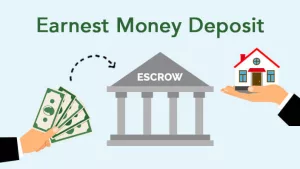 track and record. Buyers have little incentive to use cash since proving payment can be challenging in disputes. As a result, wire transfers and personal checks are the most common methods for earnest money deposits.