Letter of No Objection: The Pre-1938 NYC Building Rule
Back to the NYC Real Estate Blog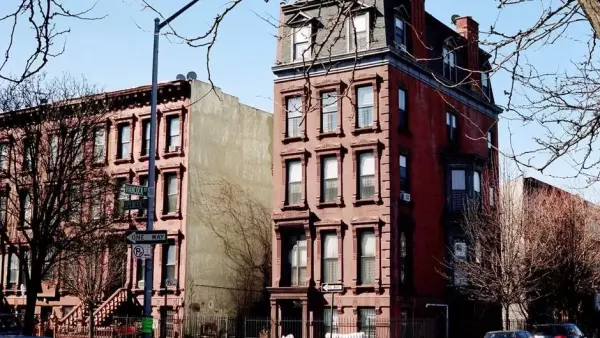
A letter of no objection (LNO) is a DOB document confirming the legal use of an NYC building built before January 1, 1938, when Certificates of Occupancy weren’t required. It’s not automatically required to close a sale; that depends on your lender, insurer, and attorney. Getting one typically takes one to six months through an expeditor.
We see this come up almost exclusively with older Brooklyn and Manhattan townhouses, buildings old enough that no CO was ever issued. Buyers assume it’s mandatory paperwork. It’s more conditional than that.
Confirming the lawful use of a building constructed before Certificates of Occupancy were required.
What is a letter of no objection, and who actually needs one
Before 1938, NYC didn’t require Certificates of Occupancy at all. A building from that era can still be perfectly legal without one. Nobody has official DOB paperwork confirming exactly what it’s approved to be used as, though. An LNO fills that gap: the DOB reviewing its own records and stating it has no objection to the building’s stated use.
| Document | What it confirms | When you’d need it |
|---|---|---|
| Certificate of Occupancy | Legal use, post-1938 buildings | Standard for newer construction |
| Letter of No Objection | Legal use, pre-1938 buildings without a CO | Renovations, sales, lender requirements |
| Letter of Verification | Use for buildings that do have a CO but need confirmation | Similar situations on newer buildings |
Do you actually need one to close
Not automatically. As real estate attorney Michael Nacmias puts it, an LNO is simply “a DOB letter confirming the lawful use of a building constructed before Certificates of Occupancy were required,” not a closing mandate in itself. You are not necessarily required to have a C/O or a Letter of No Objection on file in order to close.
In practice, it depends on who’s involved. A lender financing the purchase will often require one before approving the loan. An all-cash buyer with a flexible attorney might not need one at all. Check with your specific lender, insurer, and attorney rather than assuming either way.
How do you get one, and how long does it take
Contractors typically request one before filing an Alteration application, and sellers sometimes get one proactively before listing a pre-1938 property. You’ll need a Property Profile, block and lot information, and whatever job history exists on file with the DOB.
Timelines vary more than most guides admit. Some sources cite about one month when working through a DOB expediter in NYC. Others cite three to six months, plus a fee often quoted around $1,500.
Budget on the longer end and treat a faster result as a pleasant surprise, not the baseline. Our due diligence website guide covers the Building Information System, NYC’s own DOB BIS. Check a building’s existing filing history there before you start.
Why applications get denied
A few reasons come up repeatedly. Pending safety violations on the building or its work zone are the most common. An open ALT-1 alteration application, which itself implies no current CO, will also block an LNO.
Incomplete paperwork causes plenty of denials too. A building changing to a different Use or Occupancy Group than its historical one won’t qualify at all.
A denial isn’t final. You can call the DOB to understand the specific reason, and reapply once it’s addressed.
The 2026 change almost nobody’s tracking
If the building has Loft Law considerations, specifically Interim Multiple Dwellings, the process changed as of January 26, 2026. Loft Board LNO requests now move through DOB NOW: Build rather than the older process. Job filings for Loft-Law-flagged buildings are held until a Loft Board Request has been submitted and an LNO or Loft Board Certification has been issued. That’s specific to loft/IMD buildings, not every pre-1938 property, but it’s a real, current change most existing guides on this topic don’t mention.
Our pillar guide to due diligence covers what else to verify when purchasing an older building. Once you’re through that process, our NYC closing costs calculator breaks down what you’ll owe at the table. Our buyer rebate can offset a real share of it.
Common questions
Is a letter of no objection required to sell a NYC property? Not automatically. It depends on the lender, insurer, and attorney involved. Some transactions proceed without one; others require it before financing gets approved.
How much does a letter of no objection cost in NYC? Estimates vary, with a fee around $1,500 commonly cited when working through an expeditor, plus their service fee on top.
How long does it take to get a letter of no objection? Sources vary from about one month to three to six months. Budget for the longer end rather than assuming the fastest timeline applies.
What’s the difference between a Letter of No Objection and a Letter of Verification? Both confirm legal use. An LNO applies to buildings without a Certificate of Occupancy; a Letter of Verification applies to buildings that already have one.
Does the Loft Board process work differently now? Yes. As of January 26, 2026, Loft Board LNO requests for Interim Multiple Dwellings moved into DOB NOW: Build. Job filings on flagged buildings get held until the request clears.



Nicole Fishman Benoliel co-founded NestApple in 2017. She's a lawyer admitted to the New York bar - her law degree is from La Escuela Libre de Derecho in Costa Rica, with further study at IE Business School in Madrid and an LLM from Fordham in New York. She does not act in a legal capacity at NestApple; every client is referred to an attorney who handles real estate deals full time.