What Actually Adds Value Before You List (And What Doesn’t)
Back to the NYC Real Estate Blog
Adding value to a real estate listing means cheap, exterior, curb-facing projects, not big interior renovations. A new garage door is tracked at roughly 268% ROI in one annual cost-vs.-value report, while a major kitchen remodel recoups as little as 38%. Should you renovate before selling in NYC? Usually not: labor costs make it harder to recoup.
Curb appeal beats a gut renovation, and not by much.
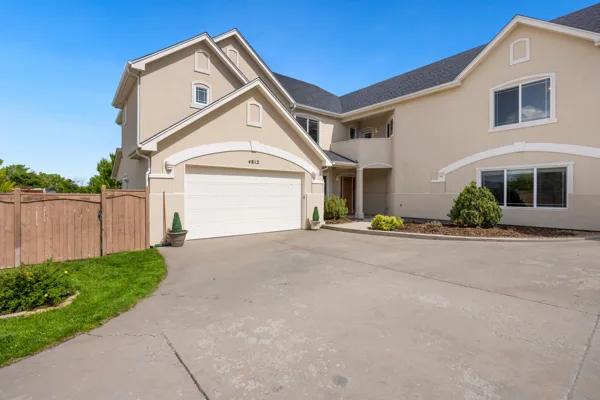
What the data actually says adds value
Industry cost-vs.-value research consistently finds that exterior, lower-labor projects deliver the best return relative to cost. Big interior renovations lag far behind. One annual report tracks these returns project by project.
| Project | Reported ROI | Category |
|---|---|---|
| Garage door replacement | ~268% | Exterior, low labor |
| Steel entry door replacement | ~216% | Exterior, low labor |
| Manufactured stone veneer | ~208% | Exterior, low labor |
| Minor kitchen remodel | ~113% | Interior, cosmetic only |
| Midrange bathroom remodel | ~80% | Interior, cosmetic only |
| Major kitchen remodel | ~38-49% | Interior, structural |
These exact percentages come from industry reporting and should be re-verified against the live current-year report before being quoted elsewhere as settled fact. The pattern itself repeats consistently: minor, visible, exterior-leaning projects recoup far more of their cost than major structural ones.
None of this requires a full renovation budget. Fresh paint, a cleaned and repaired driveway or walkway, updated house numbers and lighting fixtures, and basic landscaping cover most of the curb-appeal benefit. All of that costs a fraction of a bigger project.
Why NYC specifically argues against big renovations
The labor-and-materials math rarely works out here. One NYC-specific brokerage guide puts its core position plainly: “always try to sell a home as-is because it is very difficult to get a positive return on investment from renovation costs” in this market. High local labor and materials costs make it genuinely difficult to recoup a major renovation’s cost in the sale price.
That advice recommends sticking to cheap cosmetic fixes: a coat of paint, replacing a broken light bulb, touching up scuffed cabinets. It explicitly calls a gut renovation before selling highly inadvisable here. Run your own numbers with NestApple’s closing costs calculator before committing to anything bigger.
The one real exception is adding a bedroom or bathroom through a layout change. Expanding the pool of buyers who can use the space at all tends to justify that cost, in a way cosmetic work alone doesn’t.
That NYC-specific caution and the broader cost vs value data aren’t actually in conflict. The NYC argument is about major, structural renovations and this market’s labor economics specifically. The best-performing projects in the national data are mostly minor and low-labor to begin with: paint, hardware, a new garage door, basic landscaping. Put together, the synthesis is straightforward.
The synthesis: fix what’s cheap and visible, skip the rest
Both things can be true at once. Skip the gut renovation. Instead, spend on the cheap, visible, curb-facing items: paint, hardware, lighting, landscaping, and basic exterior repairs. That’s the category the data says actually recoups.
If you’re also deciding what counts as a “necessary repair” versus an optional upgrade, our prepare your house for sale guide covers that baseline checklist. Read that one first, then use this page to decide what’s actually worth spending beyond it.
Run your own numbers with NestApple’s closing costs calculator one more time before you finalize any spending plan. For every other step in selling, our selling & commissions hub covers pricing, agents, and timing together.
Common questions
What actually adds the most value before listing a home? Cheap, visible, exterior-leaning projects: a new garage door, fresh paint, basic landscaping, and a minor (not major) kitchen refresh. These consistently outperform big renovations in return on investment.
Should I do a major kitchen or bathroom renovation before selling? Generally no. Cost-vs-value data consistently shows major renovations recoup far less of their cost than minor refreshes, and NYC’s high labor costs widen that gap locally.
Is a big renovation ever worth it before selling in NYC? Rarely, with one notable exception: adding a bedroom or bathroom through a layout change, since expanding the pool of buyers who can use the space can justify the cost in a way cosmetic work alone doesn’t.
What’s the difference between this page and a pre-listing prep checklist? Prep means getting the home sale-ready: cleaning, decluttering, fixing what’s actually broken. This page is about optional spending decisions beyond that baseline: which renovations, if any, are worth doing purely for resale value.
Does curb appeal actually matter that much? Yes. It consistently ranks among the highest-return categories in cost-vs-value research, and it’s usually the cheapest category to improve.




Nicole Fishman Benoliel co-founded NestApple in 2017. She's a lawyer admitted to the New York bar - her law degree is from La Escuela Libre de Derecho in Costa Rica, with further study at IE Business School in Madrid and an LLM from Fordham in New York. She does not act in a legal capacity at NestApple; every client is referred to an attorney who handles real estate deals full time.