How Does a Reverse Mortgage Work in NYC? A 2026 Guide
Back to the NYC Real Estate Blog
A reverse mortgage lets a homeowner 62 or older borrow against their home’s equity with no required monthly payments. The most common version, a HECM, is federally insured, capped at $1,249,125 in 2026, and repaid when the borrower dies, sells, or moves out. You still owe taxes, insurance, and upkeep. NYC co-ops don’t qualify for a HECM.
We work with a lot of owners weighing whether to age in place, and this is one of the most misunderstood products in real estate. It isn’t free money, and it isn’t a scam. It’s a specific tool with specific rules.
The bank pays you, and your equity quietly pays it back.
What a reverse mortgage actually is
A conventional mortgage runs one direction: you pay the bank every month, and your debt shrinks. A reverse mortgage runs the other way. The lender pays you, as a lump sum, monthly payments, a line of credit, or some mix. Your loan balance grows over time instead of shrinking.
You keep the title and keep living in the home. The loan comes due, with interest, when you die, sell, or move out for more than 12 months. Because it’s “non-recourse,” neither you nor your heirs can ever owe more than the home is worth, even if the balance outgrows it.
HECM reverse mortgage, the version with federal insurance
Most reverse mortgages are Home Equity Conversion Mortgages, or HECMs, insured by the FHA. The government insures it, not your judgment, which is worth remembering before you sign anything else offered alongside one. The FTC’s own consumer guide to reverse mortgages covers the mandatory counseling and non-recourse protections in more detail than we will here.
The HECM caps how much of your home’s value counts. For 2026, HUD set the maximum claim amount at $1,249,125, up from $1,209,750, effective for loans assigned on or after January 1. If your home is worth more, the extra value doesn’t increase your proceeds under a HECM.
That’s where a proprietary, or “jumbo,” reverse mortgage comes in. These are private products, not FHA-insured, built for homes above the HECM limit, and given NYC price levels they come up often here. Pricing a smaller home with a rebate in it is worth comparing before you commit to either. Our mortgages and financing hub covers how a HECM compares to every other loan type.
Reverse mortgage requirements, what actually qualifies you
Sixty-two is the age, and a housing counselor is not optional. Beyond that:
- Own the home outright, or nearly so. Any existing mortgage gets paid off from the reverse mortgage proceeds at closing.
- Live there as your primary residence. A second home or an investment property doesn’t qualify.
- Keep up with taxes, insurance, and maintenance. Falling behind can trigger foreclosure, the same as any mortgage.
- Meet with an independent, HUD-approved counselor before you apply, usually around $125, so someone without a stake in the sale walks you through it.
You still owe taxes, insurance and upkeep
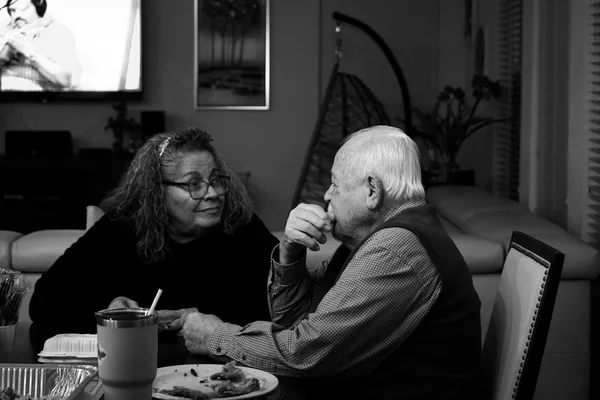
No monthly mortgage payment is not the same as no monthly bill. This is the part that trips people up. Property taxes, homeowners insurance, and any HOA or co-op charges keep coming, and the lender requires proof you’re current.
The most common reason a reverse mortgage goes wrong is a borrower who stops paying one of those. They end up in default on a loan they thought had no payments. Build the ongoing costs into your budget, the same as any home you own outright.
The reverse mortgage line of credit
The version with the least marketing and the most upside for a patient borrower is the line of credit. The unused balance grows, whether or not the house does. Rather than take everything at once, you leave an approved amount untouched, and it grows at a rate tied to the loan, whether or not your home’s value moves. Owners who don’t need the cash yet often draw a small amount to open the line and let the rest compound as a reserve for later.
That growth feature is unique to HECM lines of credit among all the loan types on our mortgages and financing hub. It doesn’t exist on a standard HELOC.
Reverse mortgage pros and cons, the honest version
The upside is real, and so is the bill for it.
| Pro | Con | |
|---|---|---|
| Payments | No required monthly payment | Balance grows instead of shrinking |
| Protection | Non-recourse; never owe more than the home’s worth | Reduces what’s left for heirs |
| Access | Lump sum, monthly income, or a growing credit line | Upfront cost: 2% MIP plus up to $6,000 origination |
| Flexibility | Stay in a paid-off home without selling | Complicates a later move; the loan comes due |
Run this table against your own numbers with a counselor before deciding, since the right column matters as much as the left.
Why New York City co-ops are a different animal
The federal program looked at a stock certificate and declined. A HECM requires real property, so co-op shares don’t qualify, and FHA does not insure a reverse mortgage on a co-op anywhere in the country.
New York fills part of that gap. State law, specifically New York Banking Law Section 6-o*2, authorizes a separate product: a reverse cooperative apartment unit loan, secured by the borrower’s shares. It isn’t FHA-insured, and only a small number of licensed lenders offer it.
A house or an FHA-approved condo can use a standard HECM. A co-op owner needs to specifically ask a lender whether they do this NY-specific product at all. Our guide to downsizing to a smaller home covers the more common alternative: selling and moving to something smaller.
What we tell clients considering one
It’s a tool for staying, not a way to avoid a real conversation about moving. A reverse mortgage makes sense for an owner who loves their home, can cover the taxes and upkeep, and wants income or a safety net without selling.
It makes less sense as a first response to a cash crunch, before you’ve priced what the home is actually worth on the market. If selling turns out to be the better move, pricing a next purchase with a rebate in it is worth comparing against a reverse mortgage’s real cost. We’re happy to run both numbers side by side before you decide.
Common questions
How does a reverse mortgage work? The lender pays you against your home’s equity, as a lump sum, monthly payments, or a line of credit, with no required monthly repayment. The loan, plus interest, comes due when you die, sell, or move out for more than 12 months.
What is the minimum age for a reverse mortgage? 62, and all borrowers on the title must meet that age for a standard HECM. Some proprietary products allow a younger age, with different terms.
Do I still pay property taxes on a reverse mortgage? Yes. You remain responsible for property taxes, homeowners insurance, and upkeep. Falling behind can lead to foreclosure.
What is the 2026 HECM lending limit? $1,249,125 nationwide, set by HUD, up from $1,209,750 in the prior year. Homes worth more can still qualify, but proceeds are calculated using the capped amount.
Can I get a reverse mortgage on a NYC co-op? Not a standard HECM; FHA doesn’t insure them for co-ops. New York State law allows a separate proprietary reverse cooperative apartment unit loan, offered by a limited number of lenders.




Nicole Fishman Benoliel co-founded NestApple in 2017. She's a lawyer admitted to the New York bar - her law degree is from La Escuela Libre de Derecho in Costa Rica, with further study at IE Business School in Madrid and an LLM from Fordham in New York. She does not act in a legal capacity at NestApple; every client is referred to an attorney who handles real estate deals full time.