Buyer Agency Agreement
Back to the NYC Real Estate Blog
A buyer agency agreement is the contract that hires a real estate agent to represent you as a buyer. It states the agent’s fee, how long it runs, and what area it covers. Since August 17, 2024, a licensed agent has to have a signed agreement before touring a home with you.
We’ve used written buyer agreements with a stated fee since 2017, long before they were required. So we read these for a living, and the terms that matter are not the ones people worry about.
The short version: four numbers decide whether this contract can hurt you.
| Term | Ask for | Red flag |
|---|---|---|
| Length | 30 to 90 days, or one property | 6 or 12 months |
| Compensation | A specific figure | “Whatever the seller offers” |
| Exclusivity | Non-exclusive if you’re early | Exclusive with no exit clause |
| Territory | The neighborhoods you’re actually searching | The whole tri-state area |
What is a buyer agency agreement?
It’s a job description for your agent, with a fee attached. It sets out three things: what the agent does, what you owe, and for how long.
In New York it sits alongside a second document, the state’s agency disclosure form, which explains whether the agent represents you, the seller, or both. Those are different papers. One hires the agent; the other discloses the relationship.
The agreement is where the money is defined. Since the NAR settlement, the fee has to be a real number, not a range.
Exclusive vs non-exclusive
Exclusive means you brought a date to the party and can’t leave with anyone else. If you buy any home during the term, that agent earns the fee, even if you found it yourself.
Non-exclusive lets you work with more than one agent, and only the one who finds your home gets paid. It’s the safer choice early in a search, when you don’t know an agent well yet.
Most agents will start non-exclusive and ask to convert once you’ve worked together. That’s reasonable. A demand for a long exclusive on a first meeting is not.
Why it’s now required before touring
The industry lost a lawsuit and handed everyone a clipboard. NAR’s settlement, effective August 17, 2024, requires a signed buyer agreement before a licensed agent tours a home with you. REBNY made the same rule for NYC showings from January 13, 2025.
You can still go to an open house on your own without signing anything. NAR’s guidance is explicit that the rule doesn’t apply to “simply visiting an open house on your own.” Some buyers now use open houses to meet agents before committing.
The compensation term has to be, in NAR’s words, “objective (e.g., $0, X flat fee, X percent, X hourly rate) and not open-ended.”
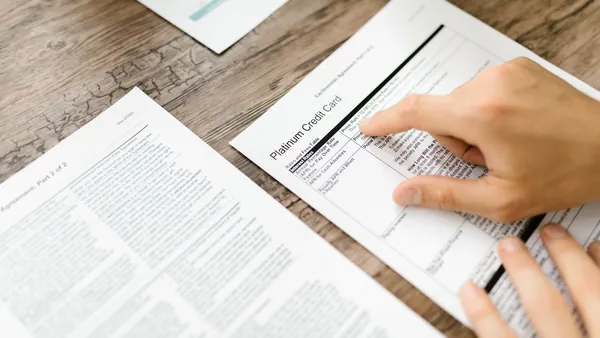
What to check before you sign
Read four lines: fee, term, exclusivity, exit.
- The fee. A specific percentage or dollar amount. Confirm what happens if the seller’s offer covers less than that.
- The term. Shorter is better: thirty to ninety days, or a single named property. Either lets you leave if it isn’t working.
- Exclusivity. Non-exclusive keeps your options open. If it’s exclusive, there should be a clean way out.
- The exit. A notice period and a termination clause. The easiest exit is the one you negotiated on the way in.
Our page on buyer broker compensation covers the fee mechanics in detail. This page is part of our guide to NYC commissions and rebates.
How to get out of a buyer agency agreement
Look at the termination clause first. Many agreements let either side cancel with written notice. If yours doesn’t, ask the brokerage’s principal broker to release you; most will rather than keep an unhappy client.
If the term has simply run out, you’re free. A dispute usually only arises when you buy a home you saw with that agent, then close with someone else. Keeping the term short avoids almost all of it.
What we put in ours
Our agreements run 30 to 90 days. They name a stated fee, and a door that opens from the inside: you can cancel with notice.
We also state the rebate in writing. New York law lets a broker return part of its commission to the buyer, so our agreement says what share comes back to you at closing. See what NestApple returns to buyers, and run a real deal in our closing-cost calculators.
Common questions
Do I have to sign a buyer agency agreement? To tour homes with a licensed agent, yes, since August 2024. You can still visit open houses on your own without signing anything.
What’s the difference between exclusive and non-exclusive? Under an exclusive agreement, that agent earns the fee on any home you buy during the term. Non-exclusive means only the agent who finds your home is paid.
How long should the term be? As short as you’re comfortable with. Thirty to ninety days is common and low-risk, and so is a single named property. Six to twelve months is a red flag on a first agreement.
Can I cancel a buyer agency agreement? Usually, through the termination clause or by asking the principal broker for a release. Check the exit terms before you sign, not after.




Nicole Fishman Benoliel co-founded NestApple in 2017. She's a lawyer admitted to the New York bar - her law degree is from La Escuela Libre de Derecho in Costa Rica, with further study at IE Business School in Madrid and an LLM from Fordham in New York. She does not act in a legal capacity at NestApple; every client is referred to an attorney who handles real estate deals full time.