Does New Siding Increase Home Value_ A 2026 Homeowner Guide
Go Back To Previous PageUpdating a home’s exterior with new siding is one of the most effective ways to enhance curb appeal, protect the structure, and potentially increase resale value. Understanding the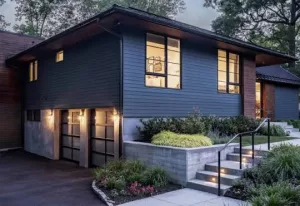 benefits, costs, and expected return can help you make a smart investment in 2026.
How Siding Impacts Home Value
New modern home siding improves both the aesthetic and functional aspects of a home:
- Curb Appeal: Fresh, modern siding makes a home look well-maintained and attractive to buyers.
- Protection from Weather: High-quality siding shields the home from rain, wind, and temperature extremes, reducing maintenance costs.
- Energy Efficiency: Insulated siding can enhance energy efficiency and lower utility bills.
- Longevity: Durable siding extends the life of exterior walls, preserving structural integrity.
Homes with updated exteriors often stand out in competitive markets and can sell faster than homes with outdated or damaged siding.
How Much Value Does New Siding Add?
While exact figures vary by region, material, and market conditions, studies and real estate data in 2026 suggest:
- Vinyl: Typically recoups 75–85% of its cost at resale
- Fiber cement: Slightly higher return due to durability and aesthetics
- Wood: Adds value if well-maintained, but higher maintenance costs may offset gains
- Aluminum or steel: Durable and low-maintenance, but less visually appealing in some markets
On average, a siding upgrade can increase home value by $5,000–$15,000 for an average-sized home, depending on the quality of materials and the local housing market.
Factors Affecting Siding’s Impact on Home Value
1. Material Choice
- Vinyl: Affordable, low-maintenance, popular in many neighborhoods
- Fiber cement: Durable, premium look, higher upfront cost
- Wood: Natural appearance, requires upkeep
- Metal: Long-lasting, resistant to elements, may not appeal to all buyers
2. Color and Style
Neutral or popular colors generally add more resale value than bold, unconventional shades.
3. Installation Quality
Professional installation ensures durability, proper sealing, and aesthetic appeal. Poorly installed siding can reduce potential value and lead to maintenance issues.
4. Local Real Estate Market
The ROI of siding depends on market demand. In high-demand neighborhoods, exterior upgrades can significantly boost sale price and attractiveness to buyers.
5. Age and Condition of Home
Homes in good structural condition with aging or outdated siding benefit most from upgrades.
Benefits Beyond Home Value
Even if resale value isn’t the primary goal, new siding offers other advantages:
- Reduced maintenance and repairs
- Improved insulation and energy efficiency
- Protection against pests and moisture damage
- Enhanced aesthetics and curb appeal for personal enjoyment
Conclusion
New siding is an effective investment for both functional and financial reasons. In 2026, high-quality siding, especially vinyl or fiber cement, can increase home value by $5,000–$15,000 depending on material, installation quality, and local real estate conditions.
Beyond resale, new siding improves curb appeal, energy efficiency, and home protection, making it a worthwhile consideration for homeowners looking to update or maintain their property.
For maximum benefit, choose durable materials, neutral colors, and professional installation to ensure your siding upgrade delivers long-term value.

Georges has been working in Wall Street for the last 16 years trading derivatives with hedge funds. He has been an active real estate investor for over a decade. Georges graduated from HEC Business School in Paris and holds a master in Finance from ESADE Barcelona.